English
 日本語
日本語 한국어
한국어 français
 Deutsch
 Español
 italiano
 русский
 العربية
 ไทย
ไทย हिंदी
हिंदी
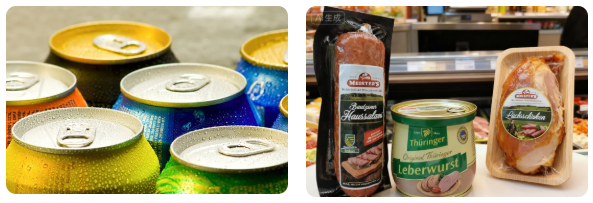
Flexible packaging is widely used in the food industry. With the growing emphasis on food safety, increasingly stringent requirements are being placed on inks used for food packaging. Although traditional UV acrylate free-radical curing inks offer fast curing speeds, they still have shortcomings in terms of migration, resistance to retort processing, adhesion, and flexibility. UV cationic systems, however, can effectively overcome these limitations of free-radical systems. The key lies in the use of a flexible cycloaliphatic epoxy resin—TTA26—as the main resin.
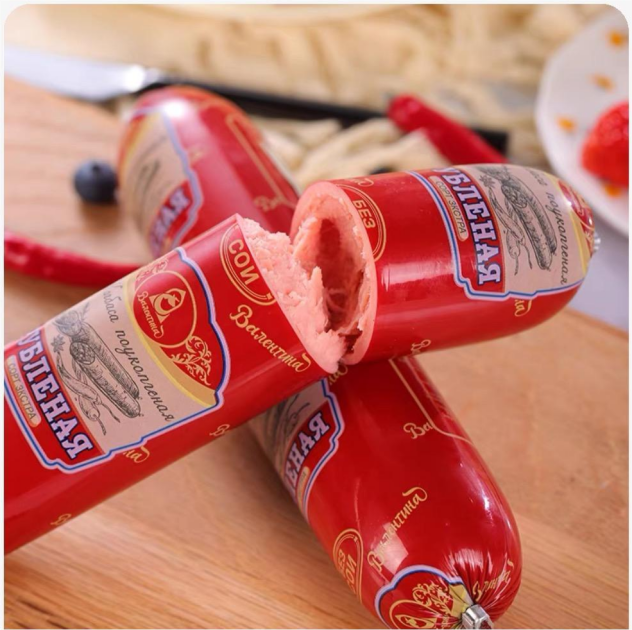
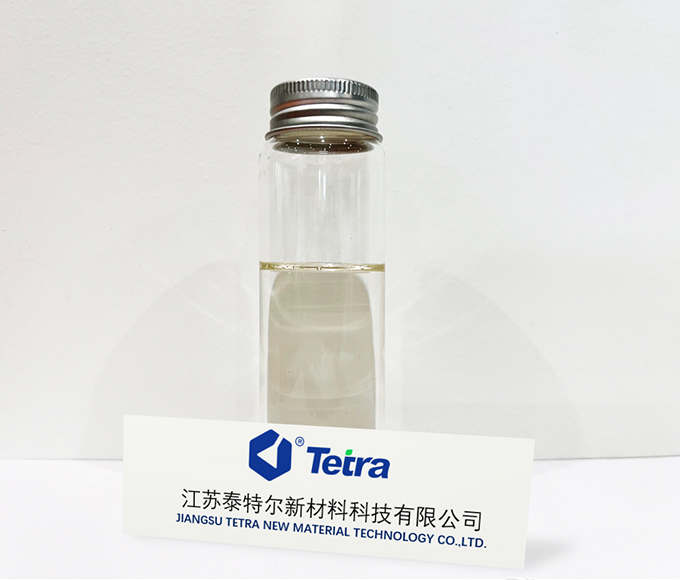
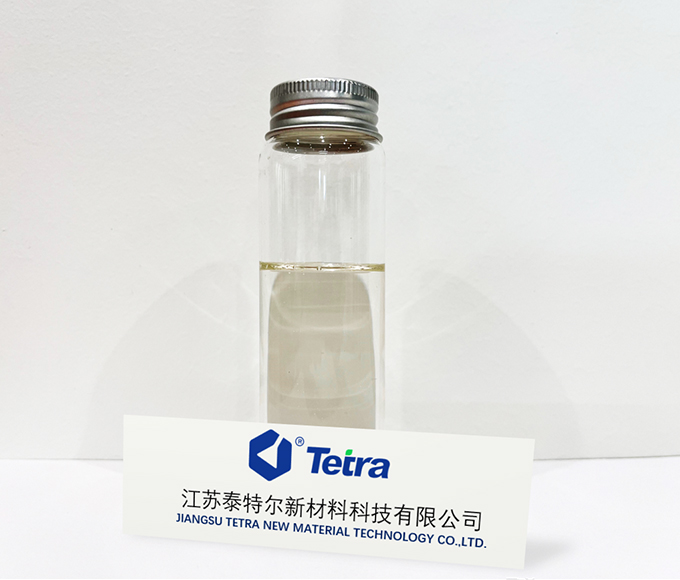
Tetra Epoxy Resin TTA26 is a typical cycloaliphatic difunctional epoxy resin. It is well known for its “excellent flexibility and cured film performance,” making it particularly suitable for cationic curing systems with high flexibility requirements. Its key application performance advantages are as follows:
The introduction of an adipate ester bridge chain into the TTA26 molecular structure imparts outstanding flexibility and crack resistance to the ink film.
The difunctionality of TTA26 provides good cationic curing activity, enabling rapid and complete curing in inks and resulting in low migration.
Epoxy resins exhibit low curing shrinkage, leading to strong adhesion between the ink film and flexible substrates.
Recommended applications
Food flexible packaging printing inks and overprint varnishes.
Component | Parts by weight | Function |
TTA26 | 35–60 | Main resin, provides flexibility and adhesion |
Reactive diluent | 10–20 | Viscosity reduction, film thickness control |
Photoinitiator | 2–5 | Initiates cationic polymerization |
Pigment paste | 20–30 | Provides color |
Additives | 0.5–2 | Improves printability and stability |
To meet the stringent requirements of food packaging, Tetra Epoxy Resin TTA26 was systematically evaluated from four aspects: food safety, mechanical properties, heat and water resistance, and chemical/media resistance. Test data confirm that its overall performance fully complies with the strict standards for food packaging inks. It not only effectively eliminates migration risks at the source, but also ensures excellent physical and chemical stability of the packaging during processing, transportation, and storage—providing brand owners with a reliable “technical assurance.”
No. | Category | Test Item | Reference Standard | Acceptance Criteria | Main Standard | Cationic System Result | Free-Radical System Result |
1 | Food safety | Overall migration | EU 10/2011 | ≤ 10 mg/dm² | EU 10/2011 | ☑ | ☒ |
2 | Curing & mechanical performance | Degree of UV curing | ISO 15742 | Fully cured, no tack or transfer | ISO 15742 | ☑ | ☑ |
Adhesion (initial) | ISO 2409 | ≤ Class 1 | ISO 2409 | ☑ | ☑ | ||
Scratch resistance | ISO 1518 | No visible scratches | ISO 1518 | ☑ | ☑ | ||
Flexibility | ISO 1519 | No cracks, no delamination | ISO 1519 | ☑ | ☒ | ||
Tensile compatibility | ISO 527(ref.) | No cracking or delamination | ISO 527(ref.) | ☑ | ☒ | ||
3 | Heat & water resistance | Boiling water resistance | ISO 2812-2 | No blistering, no peeling, adhesion ≤ Class 1 | ISO 2812-2 | ☑ | ☑ |
Damp heat aging | ISO 6270-2 | No blistering, no discoloration | ISO 6270-2 | ☑ | ☑ | ||
4 | Chemical & media resistance | Grease resistance | ISO 2812-1 | No obvious discoloration or peeling | ISO 2812-1 | ☑ | ☑ |
Alcohol rub resistance | ISO 2836 | No fading or peeling | ISO 2836 | ☑ | ☑ |
With its unique alicyclic structure and cationic curing characteristics, TTA26 successfully addresses the long-standing challenge in flexible packaging inks of balancing toughness and retort resistance. It not only enhances the adhesion and stability of printed layers, but also offers new directions for green, high-performance ink formulations. In the future wave of environmentally friendly and high-performance packaging materials, TTA26 is more than just a resin—it is a key material driving the advancement of flexible printing technology.