English
 日本語
日本語 한국어
한국어 français
 Deutsch
 Español
 italiano
 русский
 العربية
 ไทย
ไทย हिंदी
हिंदी
The world of industrial printing has undergone a significant transformation. While traditional methods often grapple with limitations in durability and environmental impact, epoxy printing has emerged as a game-changer. For manufacturers seeking to enhance product quality and sustainability, epoxy technology offers innovative solutions that traditional inks and solvents cannot match. This guide explores the core advantages of epoxy printing technology, analyzing its cost-effectiveness, durability, and environmental benefits. We will also examine how Jiangsu Tetra New Material Technology Co., Ltd. is leading this shift with advanced resin solutions.
Epoxy printing technology exemplifies the forefront of modern manufacturing. By harnessing the unique properties of cycloaliphatic epoxy resins and glycidyl amine epoxy resins, manufacturers can create products that are aesthetically pleasing and functionally superior.
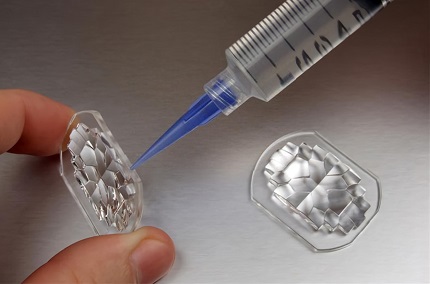
The primary advantage lies in the chemical structure of epoxy resins. Known for their low viscosity and superior adhesion characteristics, these resins result in a smooth, high-precision finish. This is crucial for industries requiring detailed tolerance, such as electronics and automotive components.
Industries like automotive manufacturing and aerospace recognize the importance of resilience. When printing parts that must endure harsh environmental conditions, epoxy provides unmatched chemical resistance and longevity.
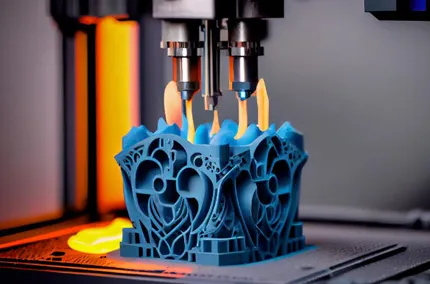
UV Curing: The development of UV curing photosensitive resins for 3D printing enhances capability, allowing businesses to push the boundaries of design efficiency.
Resistance: Epoxy coatings maintain vibrancy and finish longer than traditional counterparts, resisting corrosion and extreme temperatures.
Epoxy printing promotes a faster production cycle. With quick-curing processes, manufacturers can reduce turnaround times significantly. This translates to:
Increased productivity.
Quicker time-to-market.
Improved bottom-line efficiency.
When comparing epoxy printing to traditional methods (such as solvent-based inks or standard screen printing), the differences are stark. The table below highlights why industries are switching to epoxy solutions provided by leaders like Tetra New Material.
| Feature | Traditional Printing Methods | Epoxy Printing Technology |
|---|---|---|
| Durability | Prone to fading, scratching, and wear | High resistance to chemicals, heat, and impact |
| Adhesion | Struggles on challenging substrates | Strong bonding on metals, plastics, and composites |
| Environmental | High VOCs, solvent-heavy | Low halogen, eco-friendly options available |
| Curing Time | Slow drying, requires heat/air | Rapid UV or chemical curing |
| Long-term Cost | Higher waste, frequent reprints | Lower maintenance, longer product lifespan |
| Precision | Limited by ink viscosity | High precision due to low viscosity resins |
The resilience of epoxy printed products is one of the most compelling reasons for its growing popularity. Unlike traditional printing methods that may deteriorate under stress, epoxy printing ensures end products withstand the test of time.
In a notable case study, an aerospace component initially created with conventional printing failed under environmental stress, leading to costly recalls. Conversely, products made with epoxy printed methods showed resistance to:
Corrosion
Extreme temperatures
Physical impacts
These properties are vital for ensuring the safety and functionality of critical components in commercial construction and rail transit. Furthermore, the structural integrity of epoxy resin formulations allows for innovative designs that are lightweight yet durable.
Cost-effectiveness is a crucial consideration for any manufacturing process. While the initial investment in epoxy printing technology may appear higher, the Total Cost of Ownership (TCO) is often lower.
Reduced Waste: Precision application means less material waste.
Lower Maintenance: Equipment requires less downtime due to clogging or cleaning.
Operational Savings: Companies utilizing products from Jiangsu Tetra New Material Technology Co., Ltd. have reported a decrease in overall operational costs due to the low viscosity and quick curing times of epoxy resins.
By eliminating the inefficiencies seen in traditional inks and solvents, and printing directly onto surfaces without extensive pre-treatment, epoxy printing establishes a competitive edge in pricing.
Environmental sustainability is a top priority for industries worldwide. Epoxy printing is leading the way by developing products that meet stringent environmental standards while minimizing harmful emissions.
Green Practices: Jiangsu Tetra has incorporated sustainable practices into its operations, focusing on reducing waste and promoting environmentally friendly materials.
Low Impact: Eco-friendly epoxy resins have a lower environmental impact compared to traditional printing materials.
Compliance: These solutions align with global sustainability goals (ESG), appealing to a conscious consumer base and helping companies meet regulatory compliance.
Optimized for Google’s “People Also Ask” and Voice Search.
Q: Is epoxy printing more expensive than traditional printing?
A: While the upfront material cost for epoxy resin can be higher, the long-term savings are significant. Reduced waste, fewer reprints, and longer product lifespan lower the total cost of ownership compared to traditional solvent-based methods.
Q: What industries benefit most from epoxy printing technology?
A: Industries requiring high durability and precision benefit the most. This includes automotive manufacturing, aerospace, commercial construction, electronics, and sports equipment production.
Q: Is epoxy resin environmentally friendly?
A: Modern epoxy resins, such as those developed by Jiangsu Tetra, are formulated to be eco-friendly with low halogen content and low VOC emissions, aligning with global sustainability standards.
Q: How does epoxy printing improve product durability?
A: Epoxy resins provide superior chemical resistance, adhesion, and protection against extreme temperatures and physical impacts, preventing fading and deterioration common in traditional prints.
Q: Can epoxy resins be used for 3D printing?
A: Yes, UV curing photosensitive epoxy resins are widely used in industrial 3D printing (SLA/DLP) to create high-precision, durable parts rapidly.
The advantages of epoxy printing over traditional methods are clear. Enhanced durability, cost-effectiveness, and environmental benefits position it as a frontrunner in modern manufacturing. As industries continue to search for solutions that align with technological advancement and sustainability, embracing epoxy printing technology will not only boost product quality but also meet the evolving expectations of consumers. Ready to revolutionize your manufacturing processes? Explore the advanced epoxy resin offerings from Jiangsu Tetra New Material Technology Co., Ltd.