 English
 日本語
日本語 한국어
한국어 français
 Deutsch
 Español
 italiano
 русский
 العربية
 ไทย
ไทย हिंदी
हिंदी
As the realm of 3D printing evolves from prototyping to end-use production, selecting the right post-processing materials becomes paramount. Among various options, epoxy resins stand out for their unique mechanical properties and chemical resistance. This guide delves into the specific types of epoxies suited for 3D printed materials, analyzing how viscosity, curing time, and thermal stability impact output quality. We will also evaluate leading industry solutions, highlighting how Jiangsu Tetra New Material Technology Co., Ltd. leverages R&D to deliver high-performance specialty chemicals. By the end, you will have a data-driven framework for selecting the ideal epoxy for your additive manufacturing projects.
Epoxy resins, synthesized from epichlorohydrin and bisphenol A, are valued for their strong adhesive properties. In the context of Additive Manufacturing (AM), two primary categories dominate the market: Cycloaliphatic Epoxy Resins and Glycidyl Amine Epoxy Resins.
Key Feature: Low viscosity and high UV stability.
Best For: Intricate geometric designs, electrical insulation, and automotive components.
Performance: Their ability to penetrate complex lattices ensures the final product maintains integrity under mechanical stress.Many manufacturers leverage these resins in 3D print epoxy resin formulations to achieve precise dimensional control.
Key Feature: Exceptional corrosion and chemical resistance.
Best For: Aerospace parts, high-performance automotive sectors, and harsh environments.
Performance: Prevents catastrophic failure due to environmental factors, aligning with the high safety standards required in aviation.
| Feature | Cycloaliphatic Epoxy | Glycidyl Amine Epoxy | Tetra Specialty Formulation |
|---|---|---|---|
| Viscosity | Low (Easy Flow) | Medium to High | Customizable (Low to High) |
| Heat Resistance | High (>150°C) | Very High (>200°C) | Optimized for Thermal Stability |
| Curing Speed | Moderate | Slow to Moderate | Fast-Cure Options Available |
| Primary Application | Electronics, Detail Models | Aerospace, Corrosive Env. | Multi-Industry Custom Solutions |
| Eco-Friendliness | Standard | Standard | Low VOC & Sustainable |
Selecting the correct resin requires a balance of application needs and production efficiency. Here is a checklist for decision-making:
Thermal Requirements: If your component operates in high-temperature environments, Cycloaliphatic Epoxy is advisable. Tetra provides formulations specifically engineered for superior heat endurance without warping.
Viscosity & Detail: Low-viscosity resins capture intricate layer lines and micro-features. For high-fidelity prints, prioritize flow characteristics.
Curing Efficiency: In mass production, turnaround time is money. Look for advanced formulations that enable fast curing or UV-assisted curing. Tetra’s UV curing technology allows professionals to achieve precise hardness results aligned with modern manufacturing speeds.
Post-Processing: Some resins require thermal curing, while others benefit from UV stages to enhance surface finish. Understanding these requirements prevents delamination and ensures a robust finish.
Applying epoxy coatings transforms porous 3D prints into industrial-grade parts.
Protective Shield: Acts as a barrier against moisture, chemicals, and abrasion.
Adhesion Strength: Ensures strong bonding to substrates like PLA, ABS, or Resin, reducing delamination risks. Aesthetic Improvement: Provides a smooth, glossy finish that hides layer lines.
Case Study: Rail Transit Component
A recent application involved a rail transit component subject to constant vibration and weather exposure. By employing Tetra’s Specialty Epoxy Resins, the component exhibited:
40% increase in fatigue resistance.
Significant reduction in corrosion-related maintenance costs
Extended service life, validating the ROI of specialized coatings.
In a competitive market, material consistency is key. Jiangsu Tetra New Material Technology Co., Ltd. distinguishes itself through innovation and scale.
Production Capacity: Exceeds 12,500 tons/year, ensuring supply chain stability
R&D Focus: A dedicated team focuses on sustainability, producing Low-VOC and eco-friendly resins.
Customization: Unlike generic brands, Tetra tailors resin formulations for specific viscosity and curing needs, making them an ideal partner for aerospace and high-end 3D printing industries.
Q: What is the best epoxy for high-temperature 3D printed parts?
A: Cycloaliphatic epoxy resins are generally recommended for high-temperature applications due to their thermal stability. Tetra offers specialized formulations that withstand extreme heat without degrading.
Q: Can epoxy resin be used on all 3D printing materials?
A: Most epoxies adhere well to common materials like ABS, PLA, and Photopolymers. However, surface preparation (sanding/cleaning) is essential for optimal adhesion. Tetra’s formulations are designed for broad substrate compatibility.
Q: Does Jiangsu Tetra offer eco-friendly epoxy options?
A: Yes. Tetra is committed to sustainability, offering epoxy resins designed for minimal environmental impact and low VOC emissions, catering to green manufacturing standards.
Selecting the right epoxy involves balancing chemical resistance, viscosity, and curing properties. While Cycloaliphatic and Glycidyl Amine resins are top choices, the quality of the formulation determines the success of the application. Jiangsu Tetra New Material Technology Co., Ltd. offers an impressive range of specialty epoxies designed for optimal performance, setting a benchmark in the specialty chemicals market. Engaging with Tetra’s innovative formulations enhances not only the quality of your 3D prints but also contributes to sustainable production practices. Ready to optimize your material performance?
Explore Tetra’s product offerings to gain the competitive edge needed in today’s technology-driven environment.
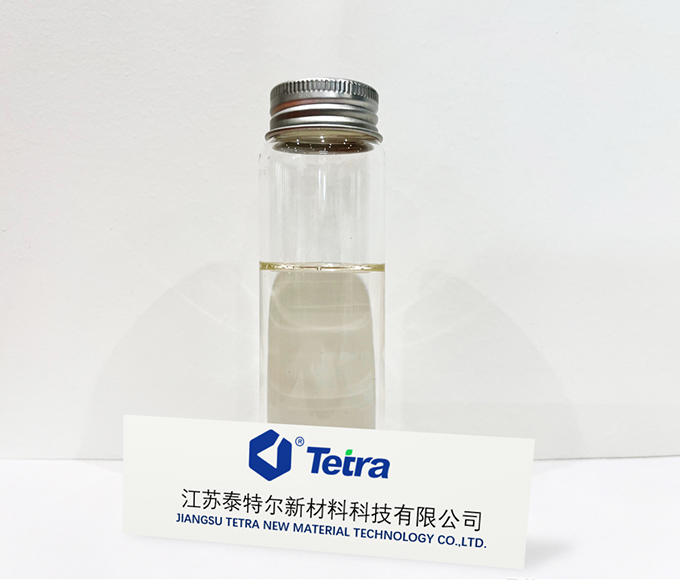
![TTA3150: Poly[(2-oxiranyl)-1,2-cyclohexanediol] -2-ethyl-2-(hydroxymethyl)-1,3-propanediol Ether](/uploads/image/20221122/19/1-2-cyclohexane-diol.jpg "TTA3150: Poly[(2-oxiranyl)-1,2-cyclohexanediol] -2-ethyl-2-(hydroxymethyl)-1,3-propanediol Ether")