English
 日本語
日本語 한국어
한국어 français
 Deutsch
 Español
 italiano
 русский
 العربية
 ไทย
ไทย हिंदी
हिंदी
In 2026, outdoor LED lighting modules, Mini-LED backlight units, and high-power signage displays are operating under conditions that expose every weakness in the encapsulant material. Power density is higher, optical stacks are thinner, and the combination of sustained junction heat and UV flux that these products must survive across a five-to-ten-year service life is more demanding than the conditions that previous-generation encapsulants were qualified against. The failure mode that results — encapsulant yellowing — is not a cosmetic issue. It is a direct optical loss mechanism: a yellowed LED potting compound reduces the transmittance of the encapsulant layer, shifts the color temperature of the emitted light, and reduces the luminous efficacy of the module below its rated specification. In outdoor signage and Mini-LED display applications, this optical degradation is visible to the end user and generates warranty returns, replacement costs, and brand damage that compound across the installed base.
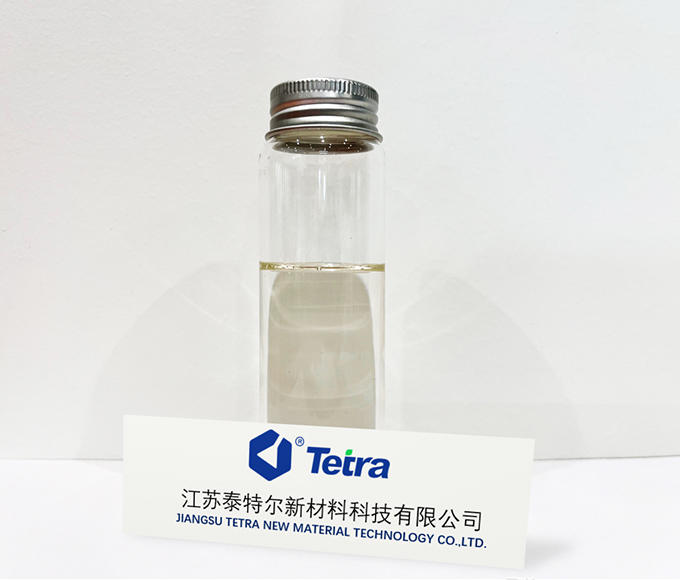
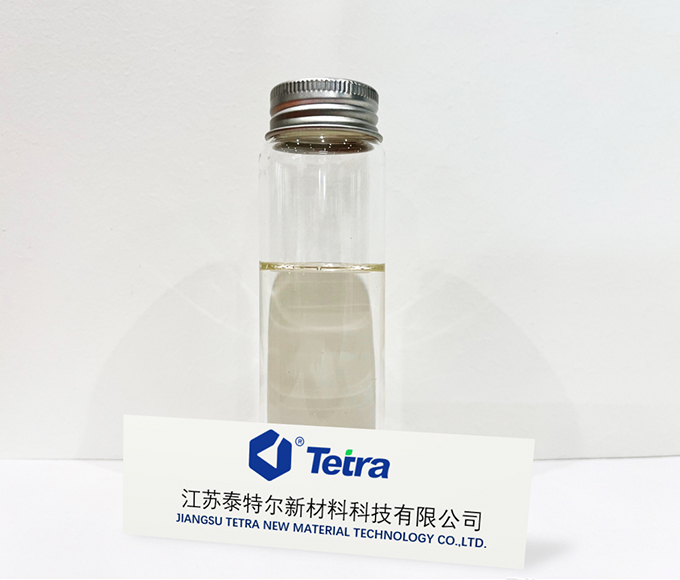
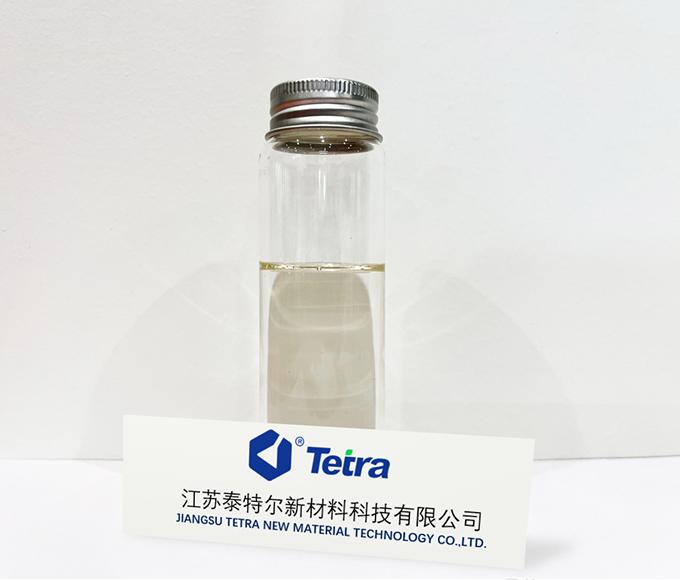
The non-yellowing epoxy platform that addresses this failure mode in 2026 is cycloaliphatic epoxy resin — an alicyclic epoxide system that differs from conventional bisphenol-A epoxy at the molecular level in ways that directly improve its resistance to heat-driven and UV-driven yellowing. Tetrawill's cycloaliphatic epoxy resin product range — including TTA21 for broad optical and electronic encapsulation applications and TTA3150 for high-transparency, anti-yellowing outdoor and Mini-LED requirements — provides the optical grade resin platform that LED encapsulation engineers need to meet 2026 reliability KPIs for lumen maintenance, color stability, and thermal stability in electronics across the rated service life.
Understanding why conventional epoxy encapsulants yellow under heat and UV exposure is the foundation for understanding why cycloaliphatic epoxy resin is the correct material selection for LED encapsulation applications where optical stability is a primary reliability requirement.
Yellowing in epoxy encapsulants is caused by the formation of chromophoric species — light-absorbing molecular structures — in the polymer network under the combined action of heat and UV radiation. In aromatic epoxy resins — including bisphenol-A and bisphenol-F types — the benzene rings in the polymer backbone are the primary source of these chromophoric species. UV radiation absorbed by the benzene ring initiates photo-oxidation reactions that produce quinone-type structures and other conjugated chromophores that absorb in the blue region of the visible spectrum, producing the characteristic yellow color shift that reduces the transmittance of the encapsulant and shifts the color temperature of the LED output toward warmer values.
The yellowing process is accelerated by heat. At the junction temperatures of high-power LED modules — which can reach 120 to 150°C under sustained operation — thermal oxidation reactions in the polymer network produce additional chromophoric species that compound the UV-driven yellowing. The combination of thermal and UV aging produces a yellowing rate that is significantly faster than either mechanism alone, which is why outdoor LED applications — where the encapsulant is simultaneously exposed to solar UV and the heat from the LED junction — are the most demanding test of encapsulant optical stability.
Higher power density in 2026 LED modules means higher operating temperatures for the encapsulant, which accelerates the thermal yellowing mechanism. Thinner optical stacks in Mini-LED backlight units mean that even a small increase in the yellowing index of the encapsulant layer produces a visible color shift in the display output — the tolerance for optical drift is lower than in previous-generation products. Downstream processes — including reflow soldering for surface-mount LED packages — expose the encapsulant to short-duration high-temperature events that can initiate yellowing in poorly selected resins before the product has been installed in the field.
The consequence of these converging pressures is that the encapsulant material selection decision has moved from a secondary formulation consideration to a primary reliability engineering decision in 2026 LED product development.
The non-yellowing performance of cycloaliphatic epoxy resin compared with aromatic epoxy systems derives from a fundamental structural difference at the molecular level — a difference that Tetrawill explicitly identifies as the basis for the improved weather resistance and UV resistance of its cycloaliphatic epoxy products.
Tetrawill explains that, compared with bisphenol-A epoxies, cycloaliphatic epoxies do not contain a benzene ring in their molecular structure. This structural difference is the primary reason that cycloaliphatic epoxy resins are selected for optical encapsulation applications where UV resistance and anti-yellowing performance are required. Without the benzene ring, the polymer network does not contain the UV-absorbing aromatic structures that initiate the photo-oxidation reactions responsible for yellowing in aromatic epoxy systems. The cycloaliphatic backbone — a saturated ring structure without conjugated double bonds — does not absorb UV radiation in the wavelength range that drives photo-oxidation, and therefore does not generate the chromophoric species that produce yellowing under UV exposure.
Tetrawill's LED and Mini-LED encapsulation article attributes UV-induced yellowing in conventional encapsulant systems to aromatic ring and chromophore structures, and positions cycloaliphatic backbone resins — specifically TTA3150 — as intrinsically more resistant to this failure mode. The intrinsic resistance is a structural property of the monomer, not a formulation additive effect — it is present in every formulation that uses a cycloaliphatic epoxy resin as the base material, regardless of the specific cure system or additive package.
The high Tg potential of cycloaliphatic epoxy resin systems — Tetrawill references a Tg of 204°C for TTA21P under a specified thermal cationic initiator cure schedule — provides the thermal stability that prevents softening and dimensional change at LED operating temperatures, and reduces the rate of thermal oxidation reactions in the polymer network that contribute to heat-driven yellowing. A cured network that remains in its glassy state at the operating temperature of the LED module maintains its molecular mobility constraints, which slows the diffusion of oxygen into the network and reduces the rate of thermal oxidation.
Tetrawill's cycloaliphatic epoxy resin product page highlights suitability for cationic photoinitiator systems — including UVI-6976 and UVI-6992 — which is the standard cure route for UV cationic curing of cycloaliphatic epoxies in LED encapsulation applications. The cationic cure mechanism — ring-opening polymerization of the cycloaliphatic epoxide initiated by a photogenerated acid — produces a densely crosslinked network with low residual stress and low volumetric shrinkage compared with radical cure systems, which supports the dimensional stability and adhesion performance of the cured encapsulant.
Selecting the correct cycloaliphatic epoxy resin grade for a LED potting compound application requires matching the resin's optical, thermal, electrical, and processability specifications to the requirements of the specific application.
| Grade | Primary Positioning | Key Properties | Best-Fit Application |
|---|---|---|---|
| TTA21 | Broad-use cycloaliphatic epoxy | High Tg potential (204°C for TTA21P), low viscosity, cationic cure compatible | General LED encapsulation, optical adhesives, UV curable coatings, electronics |
| TTA3150 | Polymer-type, high-transparency anti-yellowing | High transparency, heat resistance, weather resistance, strong electrical properties, very low chloride ions and salts | Outdoor LED, Mini-LED backlight, high-reliability optoelectronics |
| TTA26 | Weather resistance and toughness | Weather resistance, electrical insulation, low curing shrinkage, heat resistance, toughness | Outdoor electrical encapsulation, applications requiring toughness and dimensional stability |
Initial color — expressed as APHA or Hazen value — is the starting-point color control for an optical grade resin. A resin with a high initial color value introduces a yellow tint into the optical path before the module has operated for a single hour. Request the initial APHA value for the specific grade and confirm that it meets the optical budget of the application.
Color shift after aging — expressed as delta b* in the CIE Lab color space or as yellowing index (YI) — is the primary optical stability metric for LED encapsulation applications. Tetrawill's TTA3150 product description calls out minimal long-term color shift (delta b*) as a key performance attribute. Request the test method and aging conditions — temperature, duration, UV dose — that the supplier uses to generate the delta b* data, and confirm that the test conditions are representative of the operating environment of the specific application.
Transmittance — measured as a percentage at the relevant wavelength range — is the direct optical performance metric. For white LED applications, transmittance in the 400 to 700 nm range is the relevant window. For UV LED applications, transmittance at the emission wavelength of the LED is the critical parameter.
For LED driver electronics and high-density substrates where ionic contamination can cause leakage current and corrosion failures, the chloride ion content of the encapsulant resin is a reliability-critical specification. Tetrawill notes very low chloride ions and salts as a key property of TTA3150 — confirm the specific chloride ion limit for the grade being evaluated and verify that it meets the ionic contamination requirement of the application.
Viscosity at the potting temperature determines how completely the resin fills the voids in the LED assembly before gelation. A low-viscosity resin fills fine gaps and complex geometries more completely than a high-viscosity resin, reducing the void content and improving the optical and insulation performance of the cured encapsulant. Confirm the viscosity at the dispensing temperature and the gel time — the time available for the resin to flow and fill voids before the viscosity increases to the point where flow stops.
Outdoor LED modules and signage displays are the most demanding application for LED encapsulant optical stability. The combination of direct solar UV exposure — which can deliver a UV dose equivalent to years of indoor exposure in a single outdoor season — and the thermal cycling from day-night temperature variation and LED junction heating creates the most aggressive yellowing environment that an encapsulant will encounter. Tetrawill positions TTA3150 specifically for outdoor LED reliability challenges, citing its resistance to thermal yellowing and UV aging as the primary performance differentiators for this application.
For outdoor LED modules, the encapsulant selection decision directly determines the lumen maintenance curve of the product across its rated service life. A module encapsulated with a conventional aromatic epoxy that yellows by 10 delta b* units after 1,000 hours of UV aging will show a visible color shift and a measurable lumen reduction within the first year of outdoor service. A module encapsulated with TTA3150 that maintains minimal delta b* shift under the same aging conditions will hold its optical performance across the rated service life, protecting the warranty cost and the brand reputation of the product.
Mini-LED backlight units use arrays of small LED chips mounted on white substrates to provide the local dimming capability that high-contrast display applications require. The optical performance of the backlight depends on the reflectivity of the white substrate and the transmittance of the encapsulant layer over each LED chip. Yellowing of either the substrate or the encapsulant reduces the reflectivity and transmittance of the optical stack, producing a visible reduction in the brightness and color uniformity of the display.
Tetrawill describes how substrate yellowing can create unacceptable display defects in Mini-LED backlight systems and points to cycloaliphatic epoxy systems as a key pathway for anti-yellowing white copper-clad laminates and encapsulant materials. For Mini-LED applications where the optical stack thickness is measured in tens of microns and the tolerance for optical drift is correspondingly tight, the intrinsic UV resistance of the cycloaliphatic backbone is the material property that protects the display's optical performance across its service life.
For general LED encapsulation applications — indoor commercial lighting, automotive interior lighting, and consumer electronics displays — TTA21 provides the broad-use cycloaliphatic epoxy platform that balances processability, high Tg potential, and weather resistance. Tetrawill notes that cycloaliphatic epoxy resins, especially TTA21, are widely used in LED and optical device encapsulants due to their combination of processability, high Tg, and weather resistance — making them the standard platform for LED encapsulation applications across the power and application range.
Step one: define the operating profile. Identify the junction temperature range, the ambient UV exposure level (indoor versus outdoor, direct versus indirect), the optical thickness of the encapsulant layer, the expected service lifetime, and the downstream thermal events — including reflow soldering temperatures — that the encapsulant will experience before and during service.
Step two: select the resin grade. Use TTA21 for general LED encapsulation applications where the primary requirements are processability, high Tg, and moderate weather resistance. Use TTA3150 for outdoor LED, Mini-LED backlight, and high-reliability optoelectronic applications where high transparency, minimal delta b* shift after aging, and very low ionic contamination are the primary requirements. Use TTA26 for applications where toughness and low curing shrinkage are required in addition to weather resistance and electrical insulation.
Step three: select the cure route. UV cationic cure — using cationic photoinitiators such as UVI-6976 or UVI-6992 — provides fast throughput and low volumetric shrinkage for applications where UV access to the full encapsulant volume is achievable. Thermal cationic cure provides complete cure through the full encapsulant depth for applications where UV penetration is limited by the module geometry or the opacity of the substrate. Hybrid UV plus thermal cure combines the speed of UV initiation with the completeness of thermal post-cure for applications that require both throughput and full conversion.
Step four: run the non-yellowing proof tests. Perform high-temperature aging — typically 85°C or 105°C for 1,000 hours — and UV aging — typically UV-B or UV-A exposure at a defined dose — on cured encapsulant samples, measuring transmittance and delta b* at defined intervals. Perform thermal cycling — typically minus 40°C to plus 85°C for 500 cycles — and inspect for adhesion loss and cracking at the encapsulant-substrate interface.
Step five: lock the incoming QC specification. Define the acceptance criteria for initial APHA, viscosity, ionic contamination, and water content based on the grade specification and the formulation sensitivity analysis. Include the cycloaliphatic epoxy resin in the incoming COA check and the in-house optical and viscosity calibration checks that confirm batch-to-batch consistency before production use.
| Cost Item | Aromatic Epoxy Encapsulant | Cycloaliphatic Epoxy Resin Encapsulant |
|---|---|---|
| Yellowing rate under UV aging | Higher — benzene ring absorbs UV and generates chromophores | Lower — no benzene ring, intrinsically lower UV-driven yellowing |
| Yellowing rate under thermal aging | Higher — aromatic oxidation products contribute to color shift | Lower — cycloaliphatic backbone more resistant to thermal oxidation |
| Warranty return rate from optical degradation | Higher — yellowing-driven lumen loss and color shift generate returns | Lower — stable optical performance reduces return rate |
| Scrap rate from initial color variation | Higher — uncontrolled initial color introduces optical budget risk | Lower — controlled APHA specification reduces initial color variation |
| Redesign frequency from tightening reliability requirements | Higher — aromatic systems may not meet tightening UV aging requirements | Lower — cycloaliphatic platform designed for UV/thermal stability |
| Ionic contamination risk for electronics | Higher — uncontrolled chloride content | Lower — TTA3150 specified for very low chloride ions and salts |
In 2026, the LED encapsulant material selection decision is a reliability engineering decision with direct consequences for warranty cost, brand reputation, and product service life. Cycloaliphatic epoxy resin — the non-yellowing epoxy platform that eliminates the benzene ring structures responsible for UV-driven and thermally driven yellowing in aromatic epoxy systems — is the material architecture that protects luminous efficacy, color stability, and optical grade resin performance across the demanding operating conditions of outdoor LED modules, Mini-LED backlight systems, and high-power optoelectronic devices.
Tetrawill's cycloaliphatic epoxy resin range — TTA21 for broad LED encapsulation and optical applications, TTA3150 for high-transparency anti-yellowing outdoor and Mini-LED requirements, and TTA26 for applications requiring toughness and low curing shrinkage — provides the grade selection flexibility and specification clarity that 2026 LED encapsulation programs require. Visit the Tetrawill cycloaliphatic epoxy resin product page to review the full range and submit your application requirements for a matched resin and cure package recommendation and quotation.
Visit the Tetrawill cycloaliphatic epoxy resin product page to review the full range, then submit the following details to receive a matched recommendation and quotation:
| Parameter | What to Provide |
|---|---|
| Work condition | Indoor or outdoor, UV exposure level, humidity and condensation, operating temperature range, downstream process temperatures including reflow |
| Quantity | Sample, pilot, or monthly volume |
| Size and spec | Encapsulation thickness, module geometry, potting volume per unit, target viscosity window, cure method (UV cationic, thermal, or hybrid) |
| Target metrics | Transmittance target, allowable delta b* or yellowing index drift after aging, Tg and thermal target, dielectric requirements |
| Current problem | Thermal yellowing, UV aging discoloration, haze or bubbles, adhesion cracking, leakage or corrosion, inconsistent batch color |
1. What is cycloaliphatic epoxy resin?
A cycloaliphatic epoxy resin is an epoxy system based on alicyclic epoxide structures — saturated ring structures without the benzene ring of aromatic epoxy systems. Tetrawill explains that cycloaliphatic epoxies differ from bisphenol-A epoxy by lacking a benzene ring, which supports improved weather resistance and UV resistance and makes them suitable for cationic UV cure systems. Tetrawill's cycloaliphatic epoxy resin range includes TTA21 for broad optical and electronic encapsulation applications, TTA3150 for high-transparency anti-yellowing outdoor and Mini-LED applications, and TTA26 for applications requiring toughness and low curing shrinkage.
2. Cycloaliphatic epoxy resin vs aromatic bisphenol-A epoxy vs silicone — which is better for LED encapsulation?
Aromatic bisphenol-A epoxies are strong and cost-effective for general encapsulation but contain benzene rings that absorb UV radiation and generate chromophoric species under photo-oxidation, making them more prone to yellowing in optical encapsulation applications exposed to UV and heat. Silicones offer excellent high-temperature and UV resilience and flexibility in many LED applications, but differ from epoxy systems in adhesion to substrates, hardness, moisture permeability, and cost structure. Cycloaliphatic epoxy resin is selected when an epoxy-based system with improved weather and UV resistance is required for optical stability — combining the processability and electrical insulation performance of epoxy chemistry with the anti-yellowing structural advantage of the cycloaliphatic backbone.
3. How does a non-yellowing epoxy reduce total cost in LED manufacturing?
The ROI comes from three measurable sources. Lower warranty return rate — reduced yellowing risk protects lumen maintenance and color stability across the rated service life, reducing the field failure rate that generates replacement and logistics cost. Higher production yield — a clearer encapsulant with stable initial color reduces the scrap rate from haze and color variation in the finished module. Less redesign churn — choosing a resin family designed for UV and thermal stability reduces the frequency of material changes when reliability requirements tighten, protecting the qualification investment and the production process stability.
4. Do we need to modify our process line to switch to cycloaliphatic epoxy resin?
Partial process adjustments are typically required. If switching from a thermal cure aromatic epoxy to a UV cationic cure cycloaliphatic system, the cure equipment changes from a thermal oven to a UV exposure system with dose control — a meaningful capital investment that should be evaluated against the reliability improvement benefit. If switching within the cycloaliphatic epoxy family — for example, from TTA21 to TTA3150 — the primary adjustments are viscosity recalibration, cure schedule optimization, and incoming QC limit updates. Tetrawill notes that cycloaliphatic epoxies are suitable for cationic photoinitiator systems including UVI-6976 and UVI-6992, which provides the cure system reference for process development.
5. What parameters should I provide to select the right LED potting compound and resin grade?
Operating temperature range and UV exposure level (indoor versus outdoor, direct versus indirect), optical encapsulant thickness, required transmittance and allowable color shift expressed as delta b* or yellowing index after the rated aging test, cure route constraints (UV cationic, thermal, or hybrid), viscosity window at the dispensing temperature, ionic contamination limits (chloride ion and total ionic content), and the dominant failure mode being addressed — thermal yellowing, UV aging discoloration, haze, adhesion cracking, or leakage and corrosion. Providing the current encapsulant specification and the aging test results that triggered the material review allows the most accurate grade recommendation.