English
 日本語
日本語 한국어
한국어 français
 Deutsch
 Español
 italiano
 русский
 العربية
 ไทย
ไทย हिंदी
हिंदी
In the fields of electronics, electrical engineering, high-end equipment manufacturing, and lightweight structural materials, composite materials are continuously evolving toward higher performance, greater reliability, and longer service life. The resin system, as the core matrix material of composites, directly determines the thermal performance, electrical properties, dimensional stability, and long-term reliability of the material.
Among various epoxy systems, cycloaliphatic epoxy resins, with their unique molecular structure and well-balanced performance, are becoming a key development direction in high-end composite material systems, particularly as manufacturers increasingly seek collaboration with a reliable aliphatic epoxy supplier to ensure consistent quality and advanced material innovation.
With increasingly complex application environments, composite materials place higher demands on matrix resins, including:
Higher thermal performance (elevated glass transition temperature, Tg)
Improved electrical insulation properties
Lower internal stress and curing shrinkage
Better dimensional stability
Enhanced long-term environmental resistance
Conventional bisphenol-A epoxy resins have gradually shown limitations in terms of weather resistance and color stability in some mid- to high-end applications. This has created a need for more structurally stable resin systems as a replacement or upgrade.
The cycloaliphatic amine epoxy features a saturated cycloaliphatic structure and are free of aromatic rings. This structural characteristic provides the following performance advantages:
2.1 High Crosslink Density and Elevated Tg
The cycloaliphatic structure forms a dense three-dimensional network after curing, which contributes to:
Higher glass transition temperature (Tg)
Higher heat distortion temperature
Improved structural rigidity
These properties make cycloaliphatic epoxy resins suitable for high-temperature electronic and electrical composite applications.
2.2 Excellent Electrical Insulation
Due to low molecular polarity and controllable impurity levels, cycloaliphatic epoxy resins exhibit:
High volume resistivity
Low dielectric constant
Low dielectric loss
This makes them suitable for high-frequency electronic materials and electrically insulating composite systems.
2.3 Low Curing Shrinkage and Dimensional Stability
During composite molding, resin curing shrinkage can lead to internal stress accumulation, which may cause warping or interfacial failure.
Cycloaliphatic epoxy resins, when properly formulated, can achieve relatively low volumetric shrinkage, helping to improve overall dimensional accuracy and structural stability of the composite material.
3.1 Electrical Insulating Composites
In electrical insulating components, castings, and encapsulation structures, cycloaliphatic epoxy resins provide stable electrical and thermal performance.
3.2 High-Performance Fiber-Reinforced Composites
In glass fiber or carbon fiber reinforced systems, cycloaliphatic epoxy resins serve as functional matrix resins, enhancing:
Thermal performance
Environmental resistance
Long-term structural stability
3.3 Lightweight Structural Materials
With the trend toward lightweight design, the demand for stable matrix resin performance in composites is increasing. Cycloaliphatic epoxy systems offer a new option for high-end structural materials.
As new energy devices, high-frequency electronic systems, and high-end equipment manufacturing continue to advance, composite materials require matrix resins with increasingly comprehensive performance, including:
Higher thermal performance levels
More stable electrical properties
Lower impurity content
Superior long-term reliability
Due to their structural stability and well-balanced properties, cycloaliphatic epoxy resins have continued growth potential in high-end composite material systems.
For high-performance composite material manufacturers, upgrading resin systems not only improves individual performance parameters but also brings strategic benefits, such as:
Enhanced product reliability
Expanded application fields
Strengthened brand technological image
As a structurally advanced resin system, cycloaliphatic epoxy resins are becoming a key material in the ongoing evolution of composite materials.
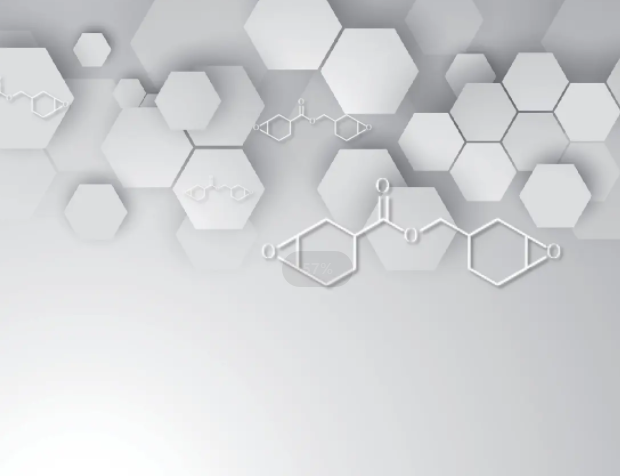
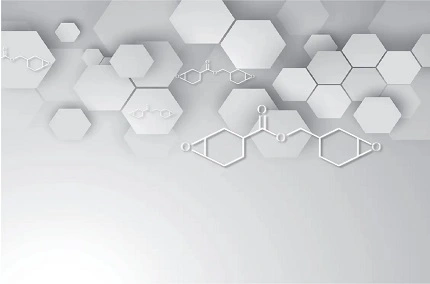
![TTA3150: Poly[(2-oxiranyl)-1,2-cyclohexanediol] -2-ethyl-2-(hydroxymethyl)-1,3-propanediol Ether](/uploads/image/20221122/19/1-2-cyclohexane-diol.jpg "TTA3150: Poly[(2-oxiranyl)-1,2-cyclohexanediol] -2-ethyl-2-(hydroxymethyl)-1,3-propanediol Ether")