 English
 日本語
日本語 한국어
한국어 français
 Deutsch
 Español
 italiano
 русский
 العربية
 ไทย
ไทย हिंदी
हिंदी
As electronic devices continue to evolve toward higher integration, miniaturization, and long-term reliability, materials are no longer just supporting components—they play a critical role in determining product performance and lifespan.
In encapsulation and bonding applications, materials must simultaneously meet multiple requirements, including electrical insulation, thermal stability, mechanical strength, and process compatibility.
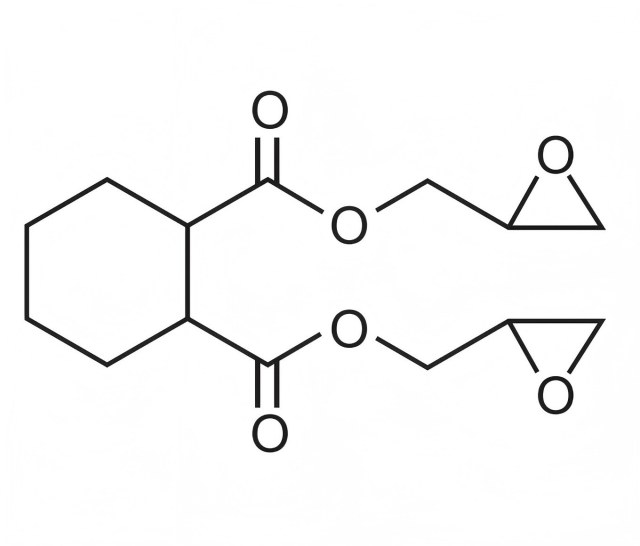
In this context, cycloaliphatic epoxy resins have become an important material choice, widely used in electronic encapsulation compounds and structural adhesives.
In real-world applications, electronic encapsulation and structural bonding face several common challenges:
Stress-induced cracking caused by thermal expansion mismatch
Degradation of electrical insulation under high humidity conditions
Material aging during long-term operation
Incomplete filling or air entrapment in complex structures
As a result, materials must deliver not only high performance, but also long-term stability and reliable processability.
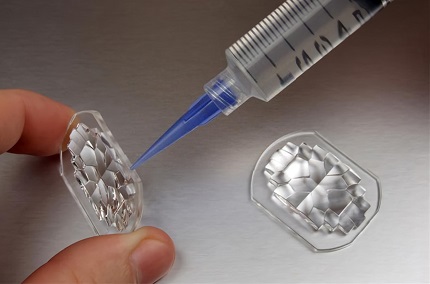
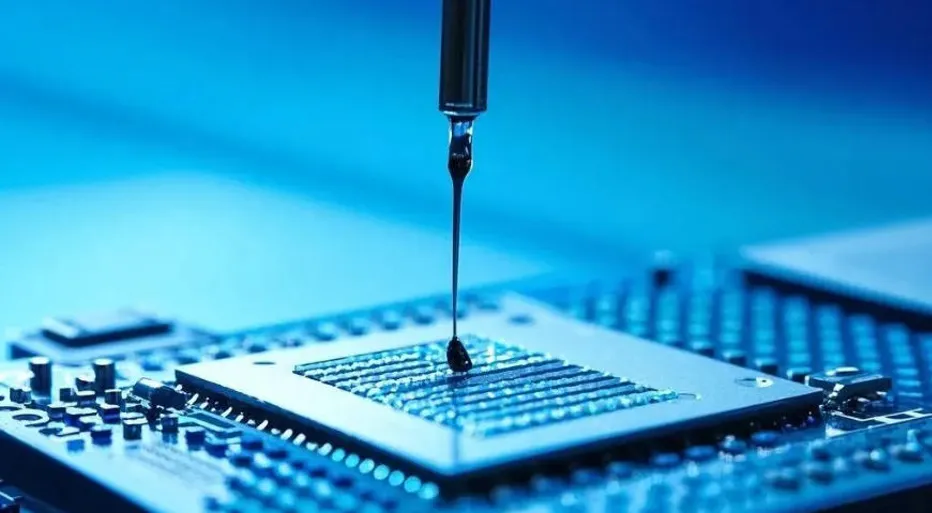
Encapsulation materials are used to protect electronic components from environmental factors while providing insulation and mechanical support.
Cycloaliphatic epoxy resins offer reliable electrical properties in epoxy electrical insulation systems:
High volume resistivity
Stable dielectric properties suitable for high-frequency applications
Minimal degradation of insulation performance over time
They are commonly used in power modules, sensors, and control units.
Electronic materials must withstand temperature fluctuations and harsh environments:
Good resistance to humidity and heat
Stable performance across a range of operating temperatures
Strong resistance to aging
Typical applications include LED encapsulation, outdoor electronics, and industrial modules.
With inherently low viscosity, cycloaliphatic epoxy resins are well-suited for encapsulation processes:
Effective penetration into complex geometries
Reduced air entrapment and void formation
Improved consistency and product yield
These advantages support automated manufacturing and high-reliability production.
Structural adhesives are used to bond and secure electronic components, requiring long-term reliability under mechanical and thermal stress.
Cycloaliphatic epoxy systems provide epoxy composite-level mechanical performance:
Excellent adhesion to metals, ceramics, and engineering plastics
High shear and tensile strength
Long-term bonding stability
They are suitable for module assembly, housing bonding, and internal structural fixation.
Electronic devices are often exposed to vibration and thermal cycling:
Formulations can be tailored to balance rigidity and flexibility
Reduced internal stress concentration
Improved resistance to impact and cracking
This contributes to enhanced overall device reliability.
Cycloaliphatic epoxy resins can be adapted to different processing requirements:
Thermal curing systems for structural bonding
UV curing systems for fast positioning and surface bonding
Dual-curing systems (UV + thermal) for improved efficiency and depth cure
This flexibility enables optimized production processes.
Cycloaliphatic epoxy resins are widely used in:
LED encapsulation and optical materials
Potting compounds for power modules
Sensor and control unit protection
PCB component bonding and protection
Structural adhesives for electronic assemblies
Internal bonding and reinforcement in consumer electronics (3C products)
With the rapid advancement of the electronics industry, material requirements continue to increase. Key development trends include:
Low-stress encapsulation systems to reduce thermal damage
High-transparency materials for optical applications
High-reliability formulations for extended service life
Low-viscosity systems compatible with automated manufacturing
Applications are expanding in areas such as electric vehicles, 5G infrastructure, and advanced consumer electronics.
In electronic encapsulation and structural bonding, material performance is shifting from single-property optimization to a balance of electrical, mechanical, and processing characteristics.
Cycloaliphatic epoxy resins, with their advantages in insulation performance, environmental stability, and processability, are becoming an important component in high-reliability electronic material systems.
As performance requirements continue to rise, their role in electronic applications is expected to grow further.
<Contact Information>
TEL: +86-18721962367 Email: export@tetrachem.com.cn
![TTA3150: Poly[(2-oxiranyl)-1,2-cyclohexanediol] -2-ethyl-2-(hydroxymethyl)-1,3-propanediol Ether](/uploads/image/20221122/19/1-2-cyclohexane-diol.jpg "TTA3150: Poly[(2-oxiranyl)-1,2-cyclohexanediol] -2-ethyl-2-(hydroxymethyl)-1,3-propanediol Ether")