English
 日本語
日本語 한국어
한국어 français
 Deutsch
 Español
 italiano
 русский
 العربية
 ไทย
ไทย हिंदी
हिंदी
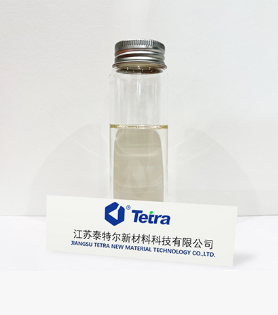
Cycloaliphatic and glycidyl amine epoxy resins are both used in high-performance applications, but they are designed for different priorities. Cycloaliphatic systems are built on saturated ring structures, which provide strong UV resistance, low viscosity, and stable electrical insulation. Glycidyl amine systems, by contrast, are based on aromatic amine chemistry, enabling higher crosslink density, stronger mechanical performance, and excellent thermal resistance.
In practice, the choice between these two materials depends less on “which is better” and more on what the application demands—environmental stability or structural strength.
As electronics become more compact and power-dense, and as industries like electric vehicles and renewable energy expand, material performance requirements are increasing. Adhesives, coatings, and encapsulation systems must now withstand higher temperatures, harsher environments, and longer service cycles.
Epoxy resins remain central to these systems because they offer a balance of adhesion, insulation, and durability. However, not all epoxy chemistries perform equally under stress—making material selection a critical design decision.
UV resistance: Cycloaliphatic epoxy performs better
Mechanical strength: Glycidyl amine epoxy is stronger
Viscosity: Cycloaliphatic systems are typically lower
Electrical insulation: Cycloaliphatic systems offer higher dielectric performance
Thermal resistance: Both are high; glycidyl amine is often preferred in structural applications
Processing: Cycloaliphatic systems support UV and cationic curing
The performance gap between these resin systems originates at the molecular level.
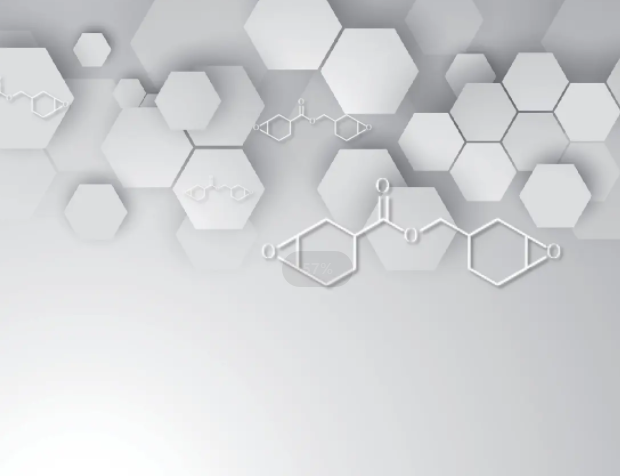
Cycloaliphatic epoxy resins contain epoxy groups attached directly to saturated alicyclic rings. This structure avoids aromatic content, which significantly improves resistance to UV degradation and prevents yellowing. It also contributes to lower viscosity, making these materials easier to process in casting, encapsulation, and high-filler systems.
Glycidyl amine systems are structurally different. A typical glycidyl amine epoxy resin contains multiple epoxy functional groups connected to an aromatic amine backbone. This structure enables higher crosslink density after curing, resulting in superior mechanical strength, heat resistance, and chemical stability—especially under structural load conditions.
The table below summarizes typical performance differences based on published epoxy material data and standardized testing references.
| Property | Cycloaliphatic Epoxy | Glycidyl Amine Epoxy | Test Method |
| Viscosity (25°C) | 50–450 mPa·s | Medium (grade-dependent) | ASTM D445 |
| Glass Transition Temp (Tg) | 200–275°C | >200°C | DSC |
| Dielectric Strength | >20 kV/mm | 15–20 kV/mm | ASTM D149 |
| Volume Resistivity | 10¹⁶–10¹⁷ Ω·cm | 10¹⁵–10¹⁶ Ω·cm | ASTM D257 |
| Cure Shrinkage | <1% | Low–moderate | Volumetric |
| UV Resistance | Excellent | Moderate | Accelerated aging |
Source: Data ranges compiled from epoxy resin technical datasheets and standards aligned with ASTM International and UL Solutions.
Cycloaliphatic systems are known for their curing versatility. They can be processed through:
Anhydride thermal curing for high Tg performance
UV or electron-beam cationic curing for rapid processing
Thermal cationic curing for specialized formulations
This flexibility makes them suitable for coatings, electronics, and advanced manufacturing processes such as UV-curable systems.
Glycidyl amine systems typically cure via amine or anhydride hardeners. Their higher functionality leads to dense crosslinked networks, which enhance strength and heat resistance but may require tighter process control.
Electrical insulation systems (transformers, encapsulation)
Outdoor applications requiring UV stability
Optical applications requiring clarity (LED encapsulation)
Systems requiring low viscosity for processing
In these scenarios, engineers often work closely with experienced cycloaliphatic epoxy resin manufacturers to ensure consistency in viscosity, purity, and curing performance.
Structural adhesives under mechanical load
Aerospace and high-performance composites
Carbon fiber and glass fiber reinforcement systems
Applications requiring high thermal stability and strength
Here, a glycidyl amine epoxy resin provides the necessary crosslink density and durability for long-term structural performance.
Cycloaliphatic epoxy is widely used due to its high dielectric strength and low viscosity, allowing better penetration and void-free encapsulation.
Glycidyl amine epoxy dominates in load-bearing applications where strength and thermal resistance are critical.
Cycloaliphatic epoxy is essential for cationic UV curing, offering fast processing without oxygen inhibition.
In advanced applications, formulators may combine both systems to balance mechanical strength and environmental resistance.
Several macro trends are driving demand for both resin systems:
Electrification of vehicles and power systems
Growth of renewable energy infrastructure
Increased miniaturization of electronics
Shift toward high-performance and low-VOC materials
These trends are pushing material engineers to select epoxy systems based not only on performance but also on processing efficiency and long-term reliability.
A practical decision framework:
Need UV stability and insulation → Cycloaliphatic epoxy
Need structural strength → Glycidyl amine epoxy
Need both → Consider hybrid systems
Material selection should always account for real-world factors such as thermal cycling, environmental exposure, and manufacturing constraints.
Cycloaliphatic and glycidyl amine epoxy resins serve different but equally important roles in high-performance applications. Cycloaliphatic systems excel in UV resistance, electrical insulation, and processability, while glycidyl amine resins deliver superior mechanical strength and structural reliability. Selecting the right system depends on application requirements rather than material hierarchy. A clear understanding of these differences helps engineers optimize performance, reduce failure risks, and improve long-term durability.
Yes, blending is possible to combine performance advantages, but curing compatibility must be carefully evaluated.
Cycloaliphatic epoxy resins perform better due to their non-aromatic structure, which resists yellowing and degradation.
Glycidyl amine epoxy resins generally provide higher mechanical strength due to their dense crosslinked network.
Yes. Both resin systems can achieve glass transition temperatures above 200°C depending on formulation and curing conditions.
Cycloaliphatic epoxy resins are typically preferred because of their higher dielectric strength and lower dielectric loss.
```