English
 日本語
日本語 한국어
한국어 français
 Deutsch
 Español
 italiano
 русский
 العربية
 ไทย
ไทย हिंदी
हिंदी
In the field of electronic materials, particularly for outdoor LED and Mini-LED encapsulation applications where stability against light, heat, and long-term aging is critically important, the choice of material directly determines the performance, lifespan, and user experience of the final product.
Traditional encapsulation materials often face severe challenges under prolonged exposure to sunlight, rain, high temperature, high humidity, and reflow soldering processes. Over time, these conditions can lead to yellowing, reduced light transmittance, and degradation of mechanical properties. Such deterioration not only affects luminous efficiency and color consistency, but also limits product reliability and design potential.
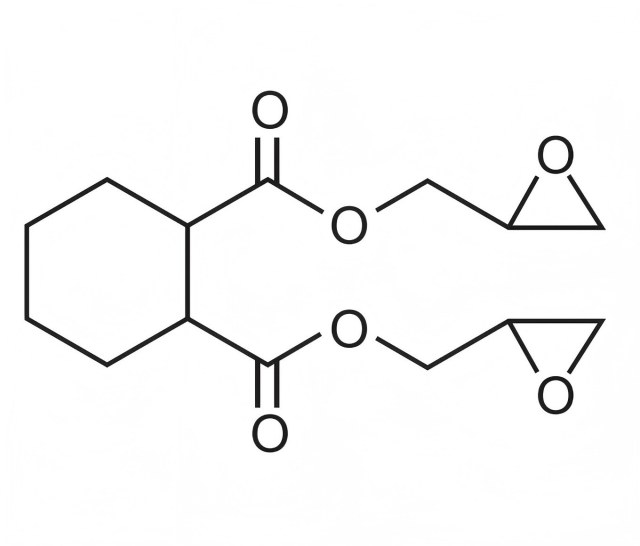
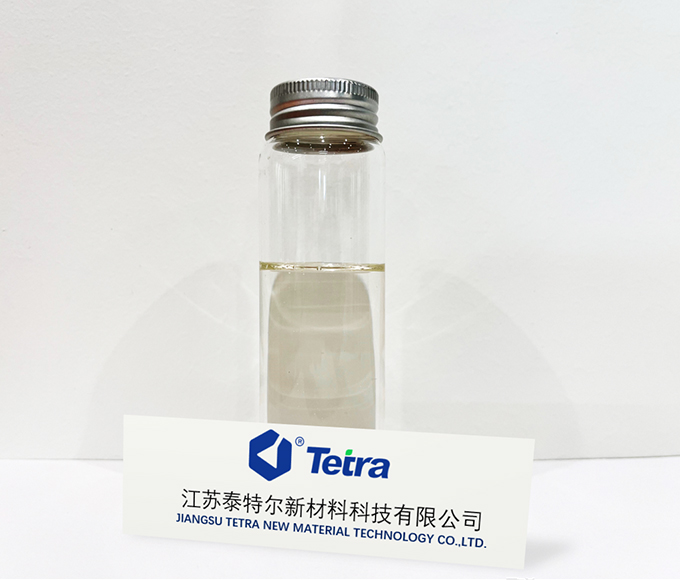
Against this backdrop, TTA3150 Cycloaliphatic Epoxy Resin Polymer from TTA emerges as a superior solution. Unlike conventional epoxy resins, TTA3150 features a unique multifunctional cycloaliphatic epoxy structure. Through precise molecular design, it fundamentally avoids the UV-induced yellowing associated with aromatic ring structures, offering a revolutionary material solution for high-end optical encapsulation applications that demand extreme reliability and stability.
The performance advantage of TTA3150 lies in its well-balanced and outstanding properties across three critical dimensions: thermal resistance, UV aging resistance, and anti-yellowing performance.
1.1 Exceptional Heat Resistance and Thermal Stability
Thermal resistance is fundamental for reliable operation in high-power LEDs and densely packaged Mini-LED backlight modules. The cured system formed by TTA3150 exhibits excellent heat resistance.
More importantly, advanced curing systems incorporating TTA3150 are capable of withstanding extreme thermal environments. Studies have shown that optimized cycloaliphatic epoxy resin compositions can maintain excellent resistance to yellowing even under reflow soldering conditions of approximately 260°C, ensuring stable performance during downstream assembly processes.
This allows encapsulation materials or copper-clad laminates based on TTA3150 to effectively withstand both the heat generated by LED chips and the elevated temperatures encountered in outdoor environments.
1.2 Intrinsic UV Resistance and Anti-Yellowing Capability
Yellowing is one of the primary failure factors for outdoor LEDs and Mini-LED displays. It not only causes brightness degradation but also results in color temperature drift and color distortion.
The anti-yellowing advantage of TTA3150 originates from its cycloaliphatic chemical structure. Unlike traditional epoxy resins containing benzene rings or chromophoric groups, its molecular backbone avoids structures that easily absorb UV radiation and generate colored by-products.
This intrinsic resistance to yellowing allows the material to maintain excellent optical transparency and color stability even after long-term UV exposure.
This advantage has been validated in practical applications. For example, research presented at the 2023 China Copper Clad Laminate Technology Conference demonstrated that Mini-LED white copper-clad laminates developed using cycloaliphatic epoxy resins as the main resin system achieved excellent anti-yellowing performance, fully meeting the stringent requirements of the Mini-LED industry for high color gamut and high contrast.
This directly confirms the effectiveness of TTA3150 and similar cycloaliphatic epoxy systems in addressing key industry challenges.
1.3 Comprehensive Mechanical and Electrical Performance
In addition to superior weather resistance, TTA3150 also provides the balanced performance required for high-end electronic encapsulation materials.
The cured material exhibits excellent mechanical properties, ensuring that encapsulated components remain crack-free and deformation-resistant during thermal cycling.
At the same time, its cured system offers reliable electrical insulation, making it suitable for high-frequency and high-density Mini-LED backplane circuits.
Performance Aspect | Impact on Outdoor LED / Mini-LED | TTA3150 Solution |
Heat Resistance / Thermal Yellowing Resistance | Ensures stable brightness and chromaticity during high-temperature operation and after reflow soldering | Withstands temperatures around 260°C with excellent resistance to reflow-induced yellowing |
UV Resistance / Photo-aging Resistance | Maintains initial brightness and color purity during long-term outdoor use | Cycloaliphatic structure provides intrinsic UV resistance and excellent weatherability |
High Transparency & Low Color Shift | Enables high luminous efficiency and accurate color rendering | High transparency after curing with minimal long-term color shift (Δb*) |
Mechanical & Dimensional Stability | Ensures structural integrity and prevents device failure in complex environments | Highly cross-linked network provides excellent mechanical and thermo-mechanical performance |
2.1 Outdoor LED Encapsulation: Protecting Every Beam of Outdoor Light
Outdoor LED lighting and display systems are continuously exposed to changing environmental conditions, placing comprehensive demands on encapsulation materials.
Encapsulation resin systems based on TTA3150 are specifically designed to meet these challenges. Research has demonstrated that encapsulation materials primarily composed of cycloaliphatic epoxy resins such as TTA3150 exhibit excellent brightness stability and minimal fluctuation when applied to optical semiconductor devices.
This means that whether used in street lighting, outdoor displays, or architectural lighting, LEDs encapsulated with TTA3150 can maintain stable and consistent light output over years of service, significantly reducing maintenance costs while enhancing brand reliability.

2.2 White Copper-Clad Laminates for Mini-LED: Defining the Base Color of Display Backplanes
In Mini-LED backlight technology, the reflectivity and color stability of white copper-clad laminates used as substrates are critically important. Even slight yellowing of the substrate can cause brightness non-uniformity and color spots on the display, which are unacceptable defects.
As highlighted in industry research mentioned earlier, selecting cycloaliphatic epoxy resin as the primary resin system is a key technological pathway for developing high-performance, anti-yellowing white copper-clad laminates.
In such systems, TTA3150 not only provides a high-reflectivity white base, but also ensures that the substrate maintains its original color even under prolonged high-temperature operation and strong light exposure within backlight modules.
As a result, end products such as televisions and monitors can maintain long-lasting visual brilliance and ultra-high contrast performance.
In summary, TTA3150 Cycloaliphatic Epoxy Resin Polymer precisely addresses the core reliability challenges faced by outdoor LED and Mini-LED encapsulation materials—thermal yellowing resistance and UV aging resistance—through its innovative chemical structure.
It is not merely a raw material, but a key enabler for elevating product performance benchmarks, extending service life, and strengthening market competitiveness.
As global demand for high-quality displays and lighting solutions continues to grow and operating environments become increasingly demanding, the need for intrinsically reliable materials will only intensify.
Cycloaliphatic epoxy resin technologies represented by TTA3150, with their exceptional weatherability, optical stability, and balanced performance, are advancing the optoelectronics industry from the foundation of materials science.
Choosing TTA3150 means building a robust “time-resistant barrier” for the next generation of high-end outdoor LED and Mini-LED products.