English
 日本語
日本語 한국어
한국어 français
 Deutsch
 Español
 italiano
 русский
 العربية
 ไทย
ไทย हिंदी
हिंदी
As the coatings and inks industry continues to evolve toward high-performance coatings, UV curing technologies, and sustainable formulations, material selection has become increasingly critical. Traditional epoxy resins often face challenges such as yellowing, limited UV resistance, and reduced long-term durability in demanding environments.
Cycloaliphatic epoxy resins have emerged as a key material solution, offering superior weatherability, low yellowing, and excellent compatibility with UV curing resin systems. These advantages make them widely used in UV coatings, UV inks, and advanced industrial applications.
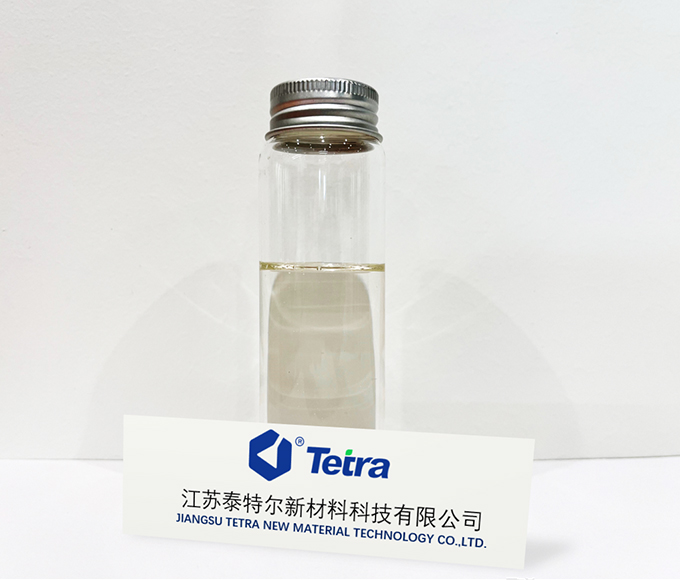
A cycloaliphatic epoxy resin is a type of epoxy material characterized by aliphatic ring structures rather than aromatic rings. This unique molecular structure provides significant performance benefits compared to conventional epoxy resins.
Key properties include:
Excellent UV resistance for outdoor and high-exposure applications
Low yellowing epoxy resin characteristics, ideal for optical and clear coatings
Low viscosity epoxy resin, enabling high-solid and solvent-free formulations
High reactivity, suitable for both UV curing and thermal curing systems
These features make cycloaliphatic epoxy resins essential in advanced coating formulations and UV-curable materials.
One of the most significant advantages of cycloaliphatic epoxy resins is their outstanding resistance to UV degradation:
Reduced chalking and surface degradation
Excellent gloss retention in outdoor coatings
Long-term durability in harsh environments
These properties make them ideal for outdoor coatings, automotive coatings, and industrial protective coatings.
Cycloaliphatic epoxy resins form highly crosslinked networks upon curing, delivering:
High hardness and abrasion resistance
Strong adhesion to metal, plastic, and composite substrates
Improved impact resistance
This makes them suitable for high-performance industrial coatings and demanding protective epoxy composite applications.
As a core component of cationic UV curing resin systems, cycloaliphatic epoxy resins offer:
Fast curing speed for improved production efficiency
Low shrinkage, reducing internal stress and defects
Capability for thick-film curing
They are widely used in UV coatings for wood, plastics, and electronics, as well as 3C product surface finishing.
In UV-curable inks and functional printing applications, cycloaliphatic epoxy resins enhance:
Abrasion resistance
Chemical resistance
Thermal stability
They are commonly used in industrial inks, electronic inks, and high-durability labels.
As a low viscosity epoxy resin, it improves ink formulation and processing:
Enhanced leveling and wetting properties
Uniform ink distribution
Reduced printing defects such as pinholes
This is particularly beneficial for screen printing inks and inkjet UV inks.
Cycloaliphatic epoxy resins are well aligned with low VOC coatings and sustainable manufacturing trends:
Enable solvent-free UV ink formulations
Reduce emissions during production
Support energy-efficient UV curing processes
Cycloaliphatic epoxy resins are widely used in:
UV-curable coatings (wood coatings, plastic coatings, metal coatings)
High-performance coatings (weather-resistant, chemical-resistant coatings)
Electrical insulation coatings
UV inks (screen printing, inkjet printing)
Functional coatings for advanced industrial applications
Driven by increasing demand for high-performance materials and environmentally friendly coatings, the market for cycloaliphatic epoxy resin manufacturers is evolving toward:
Lower color and higher purity grades
Improved compatibility with various UV curing systems
Customized formulations for specific industries
Their role in UV curing technology, electronics, and advanced manufacturing is expected to grow significantly.
Cycloaliphatic epoxy resins play a critical role in the development of high-performance coatings and UV-curable inks. Their superior UV resistance, low yellowing, and compatibility with UV curing resin systems make them an essential material in modern coating and printing technologies.
As industries continue to demand higher durability and sustainability, cycloaliphatic epoxy resins will remain a key driver of innovation in coatings and inks.