English
 日本語
日本語 한국어
한국어 français
 Deutsch
 Español
 italiano
 русский
 العربية
 ไทย
ไทย हिंदी
हिंदी
As photoresists, photosensitive resins, and UV-curable materials continue to evolve toward higher precision and reliability, the structural design of base resins has become a key driver for performance breakthroughs. TTA15, a cycloaliphatic epoxy resin developed by Tetra New Material, provides enhanced performance support for electronic materials through its unique molecular structure and reactivity.
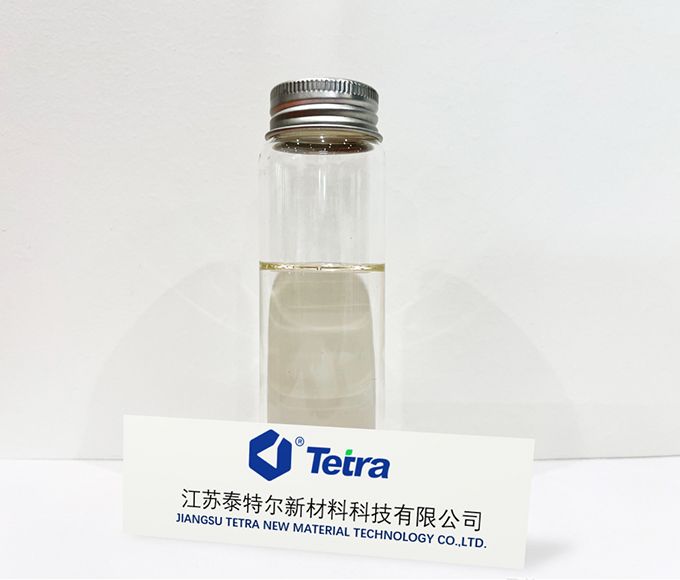
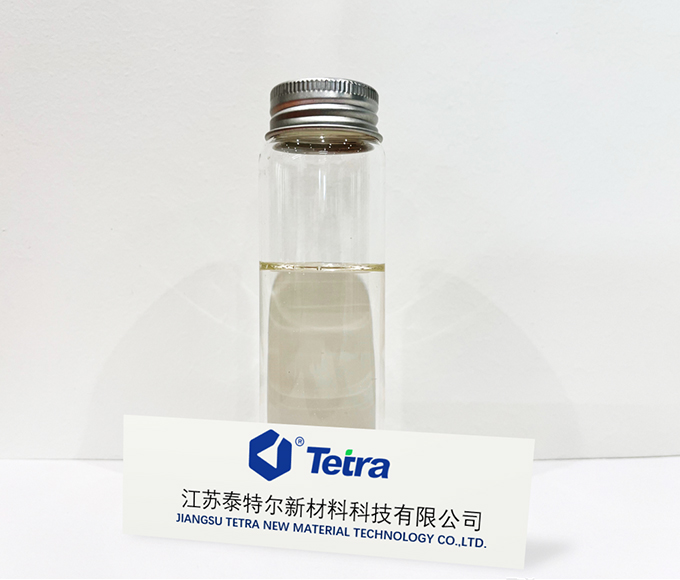
TTA15 (3,4-epoxycyclohexylmethyl methacrylate) is a distinctive compound featuring both cycloaliphatic epoxy groups and double-bond functional groups. This “two-in-one” molecular design offers exceptional flexibility and outstanding performance advantages in the synthesis of functional materials.
Typical Reaction 1: Copolymerization
TTA15 can copolymerize with glycidyl (meth)acrylate (GMA) and other polymers capable of cationic polymerization, introducing cycloaliphatic epoxy functional side chains into the polymer backbone. Compared with the commonly used GMA, TTA15 exhibits higher cationic reactivity and improved polymerization stability.
Typical Reaction 2: Ring-Opening Addition
TTA15 can react with carboxyl (-COOH) groups in polyacrylate copolymer resins. This reaction not only preserves the double-bond functionality but also introduces the rigid cyclohexane structure, thereby imparting excellent mechanical strength, chemical resistance, and superior yellowing resistance to the emulsion resin.
High-purity TTA15 delivers excellent electrical insulation and thermal stability. Its low metal ion and low halogen content meet the stringent dielectric performance requirements of advanced packaging and microelectronic devices. Additional advantages include:
Compared with conventional non-cycloaliphatic epoxy monomers, TTA15 offers:
Higher UV transmittance, satisfying deep-UV (DUV) exposure requirements.
Lower internal stress shrinkage, effectively reducing risks of micro-pattern deformation or cracking.
Strong synergistic compatibility with various photoacids (PAGs) and sensitizers.
TTA15 demonstrates strong compatibility with diverse processing systems, applicable to both positive and negative photoresists:
Synergistic UV crosslinking with photoacid generators (PAGs).
Good solubility in common solvent systems such as PGMEA, EB, and NMP.
Excellent solvent resistance, well-suited for multi-step coating, developing, and baking processes.
Photoresists for high-resolution displays, such as BM (Black Matrix) and RGB photoresists.
Wafer-level photoresists, including KrF and ArF systems.
PCB photoresists, such as dry film photoresists and high-performance solder mask resists.
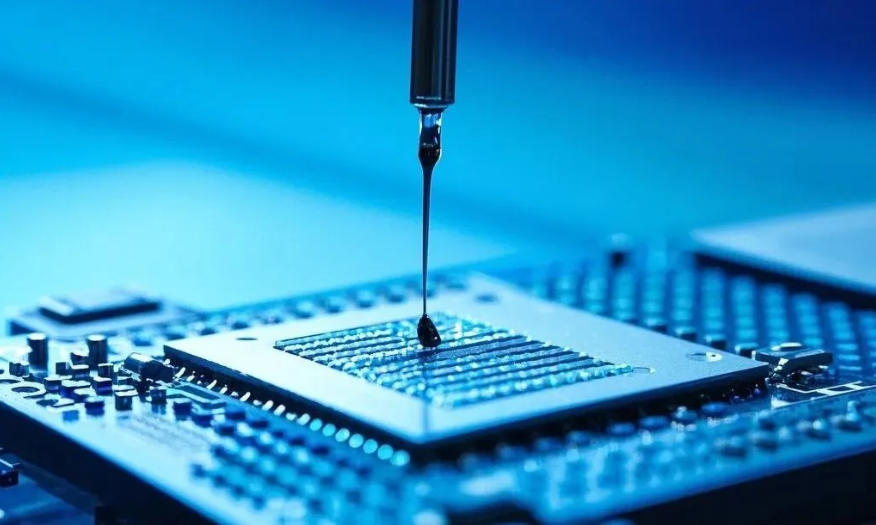
As a functional monomer integrating both epoxy and acrylate bifunctional groups, TTA15 provides a more versatile design tool for electronic material systems. It holds strong potential for further application expansion in fields such as photolithography materials.
Tetra New Material will continue to drive technological innovation in cycloaliphatic epoxy systems, promoting the commercial implementation of high-performance materials in advanced electronic manufacturing.
This is the last one.