English
 日本語
日本語 한국어
한국어 français
 Deutsch
 Español
 italiano
 русский
 العربية
 ไทย
ไทย हिंदी
हिंदी
In advanced manufacturing, where ultimate precision and performance are relentlessly pursued, material limitations often define the ceiling of product capability. Whether producing functional prototypes with intricate geometries or delivering premium products with long-lasting surface aesthetics, conventional material systems frequently struggle to balance strength, stability, and durability.
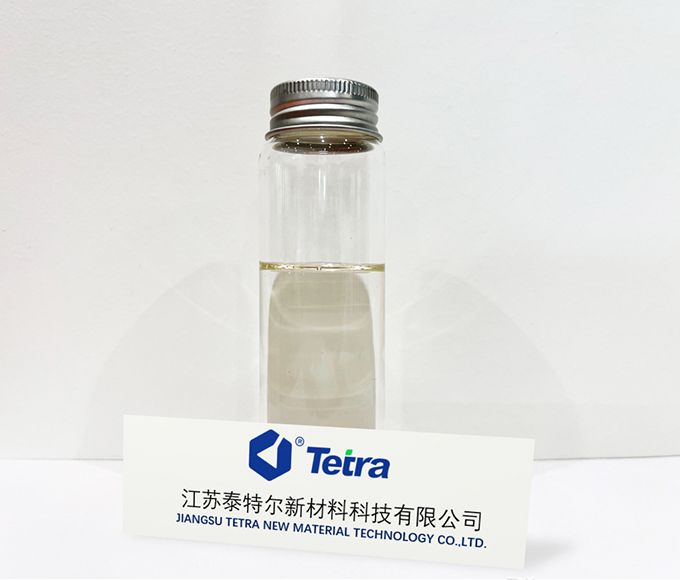
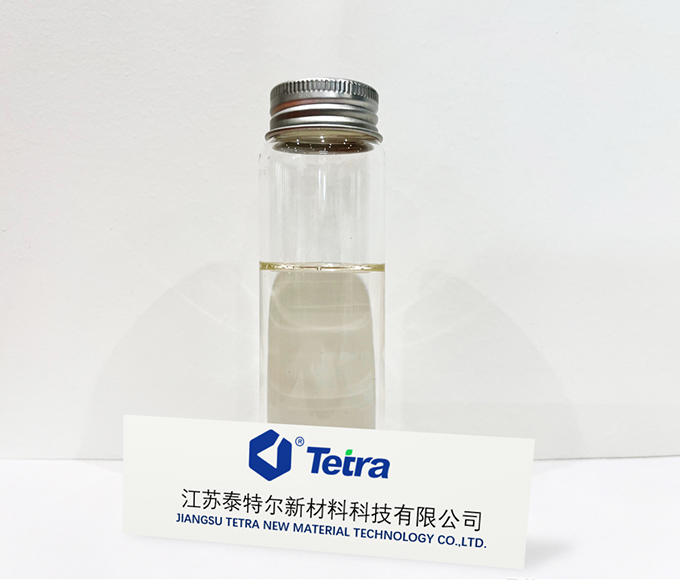
As a multifunctional alicyclic epoxy resin polymer, TTA3150 introduces a breakthrough solution for stereolithography (SLA) 3D printing and UV cationic curing coatings and inks, leveraging its exceptional chemical characteristics to empower the next generation of precision manufacturing.
The molecular architecture of TTA3150 has been meticulously engineered to combine high reactivity, excellent thermal resistance, and outstanding weatherability. During photopolymerization, this unique structure enables the formation of a highly dense, crosslinked network, delivering superior mechanical strength, dimensional stability, and resistance to environmental degradation.
TTA3150 | |
Epoxy Equivalent Weight | 170~200 g/mol |
Color | 50 APHA max |
Softening Point | 70~90℃ |
(Typical Technical Properties)
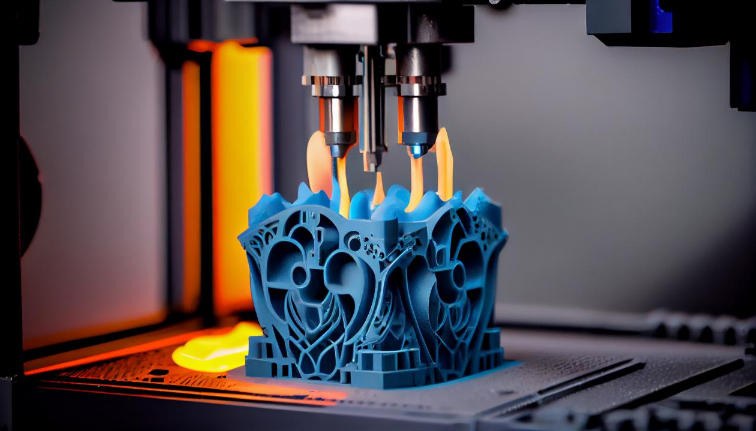
SLA technology is renowned for its unparalleled printing resolution and smooth surface finish, making it indispensable for producing precision medical devices, microelectronic components, and complex functional prototypes. However, many conventional photopolymer resins suffer from high shrinkage, insufficient toughness, and limited thermal resistance after curing—restricting their use primarily to visual models rather than functional parts. The introduction of TTA3150 effectively overcomes these limitations.
01 High Strength and Toughness for Functional Performance
Advanced SLA resin formulations incorporating TTA3150 exhibit mechanical properties far exceeding those of conventional materials. The cured resin can achieve tensile strength above 45 MPa, providing excellent load-bearing capability. At the same time, its superior toughness and high elongation at break significantly reduce the risk of brittle failure.
As a result, components such as connectors, snap-fit parts, medical fixtures, or microelectronic structures printed with TTA3150-based resins can achieve ultra-high resolution down to 50 μm, while reliably withstanding mechanical stress and repeated operation in real-world applications—fully meeting the stringent demands of functional end-use parts.
02 Ultra-Low Volumetric Shrinkage for Dimensional Consistency
During photopolymerization, the conversion of monomers into polymers is typically accompanied by significant volumetric shrinkage, which is a primary cause of part warping, internal stress buildup, and dimensional inaccuracy. The multifunctional alicyclic structure of TTA3150 enables the formation of a more uniform three-dimensional network with substantially reduced shrinkage stress.
Studies show that optimized TTA3150-containing systems can effectively control linear shrinkage, ensuring high dimensional fidelity from digital models to printed parts—an essential advantage for industrial components with tight assembly tolerances.
03 Exceptional Thermal Resistance Expanding Application Boundaries
Conventional SLA resins generally exhibit heat deflection temperatures (HDT) in the range of 50–80 °C, making them prone to softening or deformation under moderately elevated temperatures. TTA3150 significantly enhances the thermal performance of SLA materials. Through formulation optimization, the HDT of cured parts can be markedly increased, with certain high-performance systems capable of withstanding short-term exposure above 140 °C.
This enables SLA-printed components to be used in demanding environments such as automotive engine compartments and electronic thermal management modules, dramatically expanding the practical application scope of SLA technology.
Performance | Typical Limitations of Conventional SLA Resins | Improvements Enabled by TTA3150-Enhanced Systems |
Mechanical Strength | High brittleness; tensile strength typically below 40 MPa. | Delivers a balanced combination of high strength and toughness, with tensile strength exceeding 45 MPa, suitable for functional end-use parts. |
Dimensional Accuracy | Cure shrinkage often leads to warping and distortion, compromising fine structural details. | Low polymerization shrinkage ensures exceptional dimensional stability, enabling micron-level precision manufacturing. |
Thermal Resistance | Low heat deflection temperature (HDT), generally below 80 °C, limiting application scope. | High crosslink density provides outstanding thermal resistance, with HDT significantly increased to levels exceeding 140 °C. |
(Key Performance Advantages of TTA3150 in SLA 3D Printing)
In sectors such as consumer electronics, automotive interiors, and premium packaging, surface coatings must deliver not only aesthetic appeal but also withstand rigorous daily use—including frequent abrasion, solvent exposure, and contact with sweat or chemicals. UV cationic curing coatings and inks based on TTA3150 offer a surface solution that seamlessly combines exceptional appearance with superior protection.

01 Unmatched Solvent and Scratch Resistance
Unlike conventional free-radical UV systems, cationic curing systems incorporating TTA3150 form an extremely dense and chemically inert coating film upon UV exposure. This film demonstrates outstanding resistance to a wide range of chemicals. Testing shows that optimized coatings remain intact after over 500 MEK double rubs.
Additionally, the cured surface exhibits very high hardness and abrasion resistance, far exceeding standard coating benchmarks. It effectively resists scratching from hard objects such as keys or tools, maintaining a pristine appearance over long-term use.
02 Excellent Adhesion with Low Shrinkage Stress
The low volumetric shrinkage of TTA3150 during curing minimizes stress on the substrate, resulting in excellent adhesion across a wide range of challenging materials—including treated plastics, metals, glass, and even existing UV-coated surfaces. The coatings remain smooth and defect-free, without wrinkling or delamination, providing a robust and reliable protective layer.
03 Efficient Deep Curing and Environmental Benefits
Cationic curing mechanisms feature a unique “dark cure” effect, allowing polymerization to continue even after UV exposure ceases. This enables more complete and uniform deep curing, particularly advantageous for thick coating applications. Under typical curing conditions—such as UV energy exceeding 1000 mJ/cm²—fully cured, high-performance coatings can be rapidly achieved.
Moreover, these systems are generally VOC-free, achieving nearly 100% film formation, and fully comply with increasingly stringent environmental regulations.
TTA3150 represents more than the success of a single chemical product—it embodies a forward-looking philosophy of material design. Through precise molecular engineering, it delivers fundamental performance enhancements tailored to end-use applications.
Choosing TTA3150 means equipping your innovative products with exceptional structural strength, dimensional accuracy, and long-term durability, paving the way toward a new era of precision manufacturing.
This is the first one.