English
 日本語
日本語 한국어
한국어 français
 Deutsch
 Español
 italiano
 русский
 العربية
 ไทย
ไทย हिंदी
हिंदी
As composite materials continue to evolve toward higher performance, lightweight structures, and longer service life, the role of resin systems is being fundamentally redefined. In applications such as electrical insulation, outdoor structures, renewable energy equipment, and advanced manufacturing, materials are no longer required to simply perform—they must remain stable over time under demanding conditions.
While conventional epoxy resins still offer cost and processing advantages in general-purpose applications, their limitations in weatherability, yellowing resistance, and long-term reliability are becoming increasingly evident. Against this backdrop, cycloaliphatic epoxy resins are gaining attention as a key material solution for high-performance composite systems.
In real-world applications, performance issues in composites are often not caused by the reinforcing fibers, but by the resin matrix itself. Common challenges include:
UV-induced degradation, leading to yellowing, chalking, and surface deterioration
Thermal aging, resulting in gradual loss of mechanical strength
Incomplete fiber wet-out, causing voids and internal defects
Instability in electrical properties, especially under high humidity or high voltage conditions
At their core, these issues are closely linked to the molecular structure, crosslinking density, and interfacial behavior of the resin system.
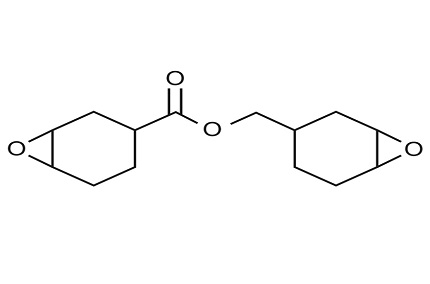
Cycloaliphatic epoxy resins differ fundamentally from conventional bisphenol-A-based systems:
they do not contain aromatic rings.
This structural distinction leads to a different performance profile at the molecular level:
Higher resistance to UV degradation due to the absence of UV-sensitive aromatic groups
Inherently low yellowing, improving long-term appearance stability
Dense crosslinked network after curing, enhancing thermal and chemical resistance
Lower viscosity, enabling better processability
In some applications, glycidyl amine epoxy resin variants provide additional toughness and adhesion, expanding the functional capabilities of cycloaliphatic systems.
Rather than being an incremental improvement, cycloaliphatic epoxy resins represent a fundamentally different material pathway.
The benefits of cycloaliphatic epoxy resins are not only theoretical—they translate directly into improved processing performance.
In processes such as Resin Transfer Molding (RTM) and vacuum infusion, resin flow and fiber wetting are critical:
Lower viscosity enables longer flow distances and more efficient mold filling
Improved wetting enhances fiber impregnation
Reduced void formation leads to higher structural integrity
These advantages are especially important for thick-section parts and complex geometries.
In filament winding and pultrusion, process stability is essential:
More controllable curing behavior
Wider processing window
Improved batch-to-batch consistency
This contributes to higher production efficiency and reduced defect rates.
The unique chemical structure of a cycloaliphatic epoxide provides the foundation for several high-value performance characteristics required in modern engineering.
Applications such as wind turbine components, outdoor enclosures, and infrastructure elements require long-term exposure resistance:
Superior UV stability
Reduced discoloration and surface degradation
Improved long-term durability
These properties help extend service life and reduce maintenance costs.
Cycloaliphatic epoxy resins are widely used in electrical systems due to their stable dielectric properties:
High dielectric strength
Low dielectric loss
Reliable performance under high temperature and humidity
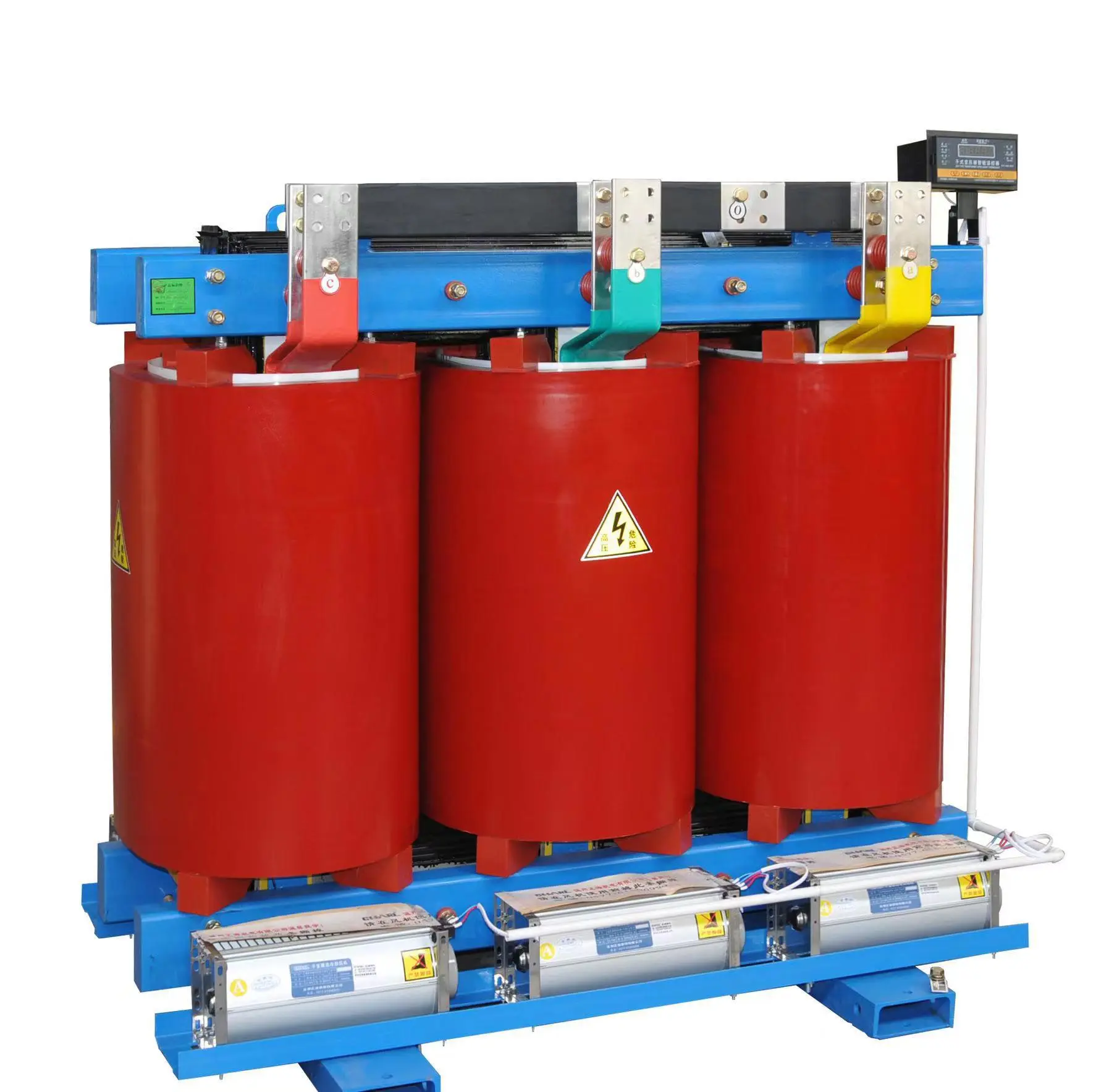
These materials are ideal for epoxy coating for electrical insulation applications, including encapsulation, insulation components, and high-voltage electronics.
In automotive lightweighting and advanced industrial applications:
Consistent mechanical performance
Improved long-term reliability
Balanced processability and structural integrity
These characteristics are critical for demanding engineering applications.
It is important to recognize that cycloaliphatic epoxy resins are not intended to replace conventional epoxy systems across all applications.
Instead, they are best positioned for scenarios requiring:
High weatherability and UV resistance
Long-term appearance stability
Reliable electrical performance
High manufacturing consistency
Traditional epoxy systems remain competitive in cost-sensitive and standard applications. The two systems serve different tiers of performance requirements.
The composite materials industry is undergoing a clear transition:
From meeting initial performance targets
To ensuring long-term reliability and stability
As lifecycle performance becomes increasingly important, material selection is evolving accordingly. Cycloaliphatic epoxy resins, with their inherent structural advantages, are playing an increasingly important role in this shift.
As composite applications move into more demanding environments, the importance of resin systems continues to grow.
Cycloaliphatic epoxy resins are not simply an optimized alternative—they represent a material solution designed to enhance long-term reliability at the structural level. For high-performance applications, they offer a pathway toward more stable, durable, and future-ready composite systems.