English
 日本語
日本語 한국어
한국어 français
 Deutsch
 Español
 italiano
 русский
 العربية
 ไทย
ไทย हिंदी
हिंदी
Epoxy resin refers to a class of high-molecular compounds containing two or more epoxy groups in their molecular chains. It is a thermosetting resin, with bisphenol A-type epoxy resin being the most representative.
1. Pure epoxy resin itself has little practical value; it must be used with a curing agent to achieve usable performance.
2. High adhesive strength: Among synthetic adhesives, epoxy adhesives have some of the highest bonding strengths.
3. Low curing shrinkage: Epoxy adhesives have the lowest shrinkage among adhesives, which contributes to their high bonding strength.
For example:
- Phenolic resin adhesive: 8–10%
- Silicone resin adhesive: 6–8%
- Polyester resin adhesive: 4–8%
- Epoxy resin adhesive: 1–3%
After modification, the shrinkage of epoxy adhesive can be reduced to 0.1–0.3%, with a thermal expansion coefficient of 6.0×10⁻⁵/°C.
4. Excellent chemical resistance: The ether bonds, benzene rings, and aliphatic hydroxyl groups in the cured system are resistant to acid and alkali attack.
5. Excellent electrical insulation: The breakdown voltage of epoxy resin can exceed 35 kV/mm.
6. Good processing properties: Products exhibit dimensional stability, durability, and low water absorption.
However, bisphenol A-type epoxy resins also have drawbacks such as high viscosity, brittleness, low peel strength, and poor mechanical and thermal shock resistance.
1. Development history: Epoxy resin was first patented in 1938 by P. Castam in Switzerland. In 1946, Ciba developed the first epoxy adhesive, and in 1949, S.O. Creentee of the U.S. formulated epoxy coatings. Industrial production began in China in 1958.
2. Applications:
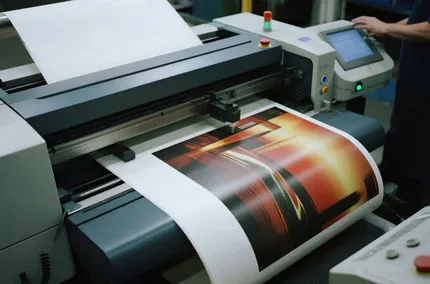
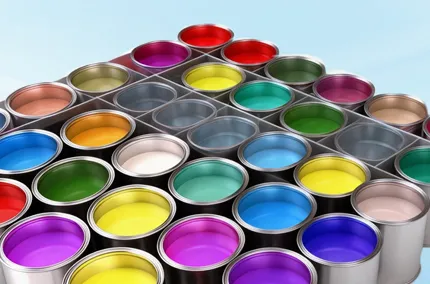
- Coating industry: Epoxy resin is widely used in waterborne, powder, and high-solids coatings, applicable to pipelines, containers, automobiles, ships, aerospace, electronics, toys, and handicrafts.
- Electronics and electrical industry: Used in insulation materials such as encapsulation of rectifiers, transformers, and electronic components.
- Hardware, jewelry, and sports goods: Used in nameplates, accessories, trademarks, hardware, rackets, fishing gear, sports and craft products.
- Optoelectronics industry: Applied in the encapsulation and bonding of LEDs, digital tubes, display screens, and LED lighting products.
- Construction industry: Used in roads, bridges, floors, steel structures, coatings, dams, and artifact restoration.
- Adhesives, sealants, and composites: Used for bonding diverse materials such as ceramics, glass, carbon fiber composites, and microelectronic sealing.
1. Epoxy adhesive is a modified or specially formulated epoxy resin designed to meet specific performance requirements. It must be mixed with a curing agent to harden completely. The epoxy component is usually called Part A (main resin), while the curing agent is Part B (hardener).
2. Main properties before curing: color, viscosity, specific gravity, mixing ratio, gel time, pot life, curing time, thixotropy, hardness, and surface tension.
3. Main properties after curing: resistivity, dielectric strength, water absorption, tensile and shear strength, peel strength, impact strength, HDT, Tg, internal stress, chemical resistance, elongation, shrinkage, thermal conductivity, dielectric constant, weatherability, and aging resistance.
4. Thermosetting property: Most epoxy adhesives are thermosetting — curing accelerates with higher temperature or larger batch size, and the process releases heat.