English
 日本語
日本語 한국어
한국어 français
 Deutsch
 Español
 italiano
 русский
 العربية
 ไทย
ไทย हिंदी
हिंदी
In the field of materials science, epoxy resin plays a vital role in multiple industries due to its excellent properties. From everyday sealants to high-end electronic encapsulation, epoxy resin has become an ideal choice for many applications thanks to its unique characteristics.
Epoxy resin is a type of polymer compound containing two or more epoxy groups in its molecule, possessing the following main properties:
Excellent adhesive properties, capable of firmly bonding various materials such as metals, ceramics, and glass.
Good chemical stability, resistant to erosion by acids, alkalis, and solvents.
High mechanical strength and hardness.
Outstanding electrical insulation properties.
These characteristics make epoxy resin an important material in many industrial fields.
Automotive Sealing: In automobile manufacturing, epoxy resin sealants are used for sealing engine, transmission, and vehicle body components. It not only prevents fluid leakage but also withstands the temperature and vibrations during engine operation. In body assembly, using epoxy resin sealants enhances the vehicle's sealing and sound insulation, while offering good aging resistance.
Semiconductor Packaging: Epoxy resin plays a key role in semiconductor packaging. It protects chips from moisture, dust, and mechanical damage, while effectively transferring heat to reduce the chip's operating temperature. With the advancement of semiconductor technology, continuous improvements in epoxy resins allow them to meet various packaging requirements.
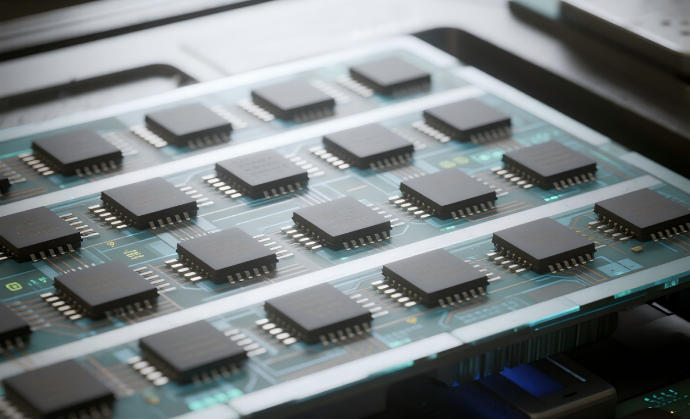
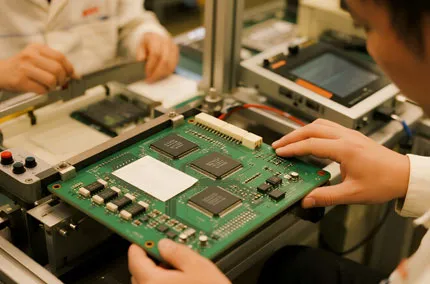
Circuit Board Encapsulation (Potting/Conformal Coating): In circuit board encapsulation, epoxy resin is used as a coating material to improve the board's moisture, mold, and corrosion resistance. Through potting processes, it also secures electronic components onto the board, preventing loosening and damage. In precision devices like smartphones and tablets, epoxy resin encapsulation enhances the stability and service life of the equipment.
Coating Industry: Epoxy resin coatings offer excellent corrosion and wear resistance, widely used in industrial anti-corrosion, marine coatings, and automotive paint finishes.
Composite Materials: As a matrix material, epoxy resin combined with reinforcing materials like glass fiber or carbon fiber, can produce lightweight and high-strength composites used in aerospace, sports equipment, and other fields.
Epoxy resin materials are developing towards high performance, environmental friendliness, and functionalization:
Enhancing performance through molecular structure design and modification.
Developing low-VOC (Volatile Organic Compound) environmentally friendly products.
Endowing materials with special functions such as electrical or thermal conductivity.
In summary, epoxy resin plays a crucial role in various fields such as sealants and electronic encapsulation due to its excellent properties. With technological progress, epoxy resin will continue to provide reliable material solutions for various industries, driving development in related fields.