English
 日本語
日本語 한국어
한국어 français
 Deutsch
 Español
 italiano
 русский
 العربية
 ไทย
ไทย हिंदी
हिंदी
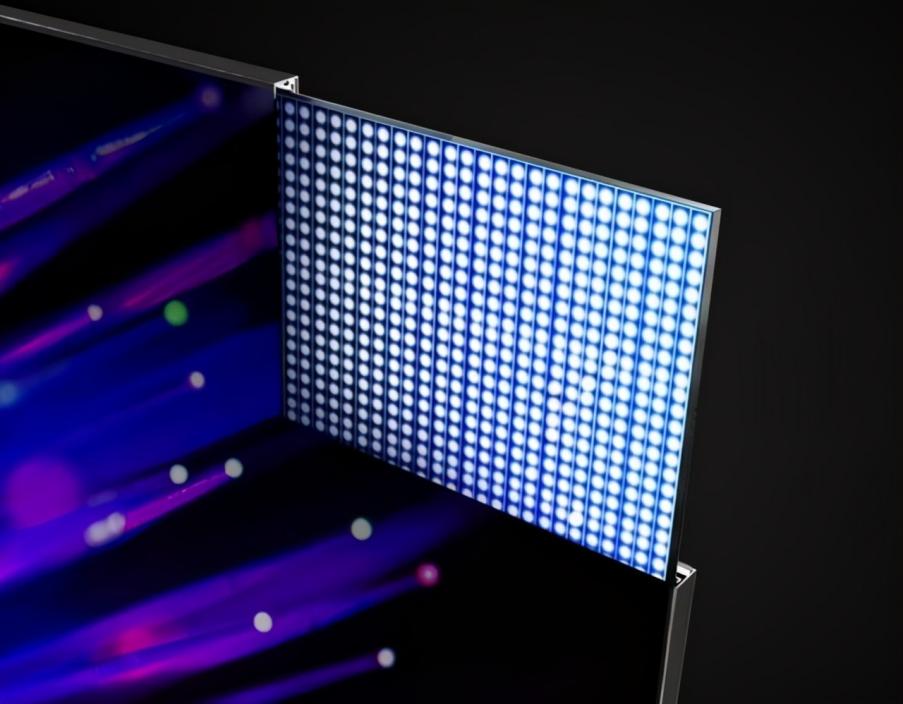
As LED and Mini/Micro-LED technologies evolve toward higher brightness, higher power density, and longer operational lifetime, encapsulation materials have become critical determinants of device performance and reliability. In practical applications, encapsulants are exposed to high light flux, elevated temperatures (80–150°C), and strong UV radiation, imposing stringent requirements: materials must maintain high transmittance, minimal yellowing, low light degradation, and stable electrical insulation over long-term operation.
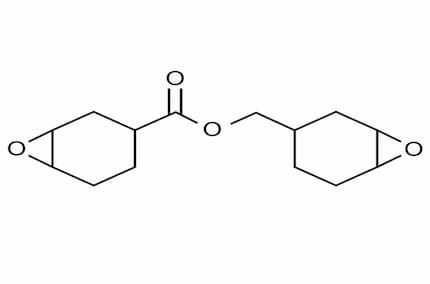
Conventional bisphenol A-based epoxy resins, although initially offering good transparency and processability, are prone to yellowing and optical degradation under prolonged UV and blue light exposure. Higher ionic content may also cause electrochemical migration issues under high humidity and temperature, reducing long-term device reliability. Therefore, traditional epoxy systems are increasingly insufficient for high-end LED encapsulation.
Typical dielectric constants of cycloaliphatic epoxy resins range from 2.8 to 3.2, with dielectric loss as low as 0.005–0.015, maintaining stability even under high-frequency conditions. In addition, these materials demonstrate high volume resistivity (10¹⁶–10¹⁷ Ω·cm) and dielectric breakdown strength (18–25 kV/mm), ensuring reliable insulation performance under high electric field conditions. From a microstructural perspective, the highly crosslinked network formed after curing effectively restricts charge carrier mobility and reduces the likelihood of conductive path formation. Furthermore, the alicyclic structure provides superior resistance to UV-induced degradation, resulting in excellent anti-yellowing performance, which is critical for long-term insulation applications. These advanced properties make them a preferred choice recommended by any professional aliphatic epoxy supplier for high-performance electrical and electronic applications.
Cycloaliphatic epoxy resins excel in optical stability. Their alicyclic structure resists photodegradation, ensuring transmittance remains above 90% and yellowing index (ΔYI) stays below 5 under accelerated UV aging—significantly better than conventional epoxy systems. This is crucial for LED applications, where even minor yellowing can reduce luminous efficiency and shift color temperature.
Electrically, their high volume resistivity (>10¹⁶ Ω·cm) and extremely low ionic content (Na⁺/Cl⁻ <10 ppm) minimize the risk of electrochemical migration, particularly important for high-density and fine-pitch Mini/Micro-LED devices. Structurally, the cured resin forms a highly crosslinked network, providing thermal and dimensional stability across 80–150°C. Low viscosity (100–500 mPa·s) supports excellent flow and wetting during encapsulation, ensuring consistent processing and high yield.
Overall, cycloaliphatic epoxy resins not only overcome the yellowing and reliability limitations of traditional resins but also balance optical, electrical, and process performance, making them an optimal choice for advanced LED encapsulation systems.
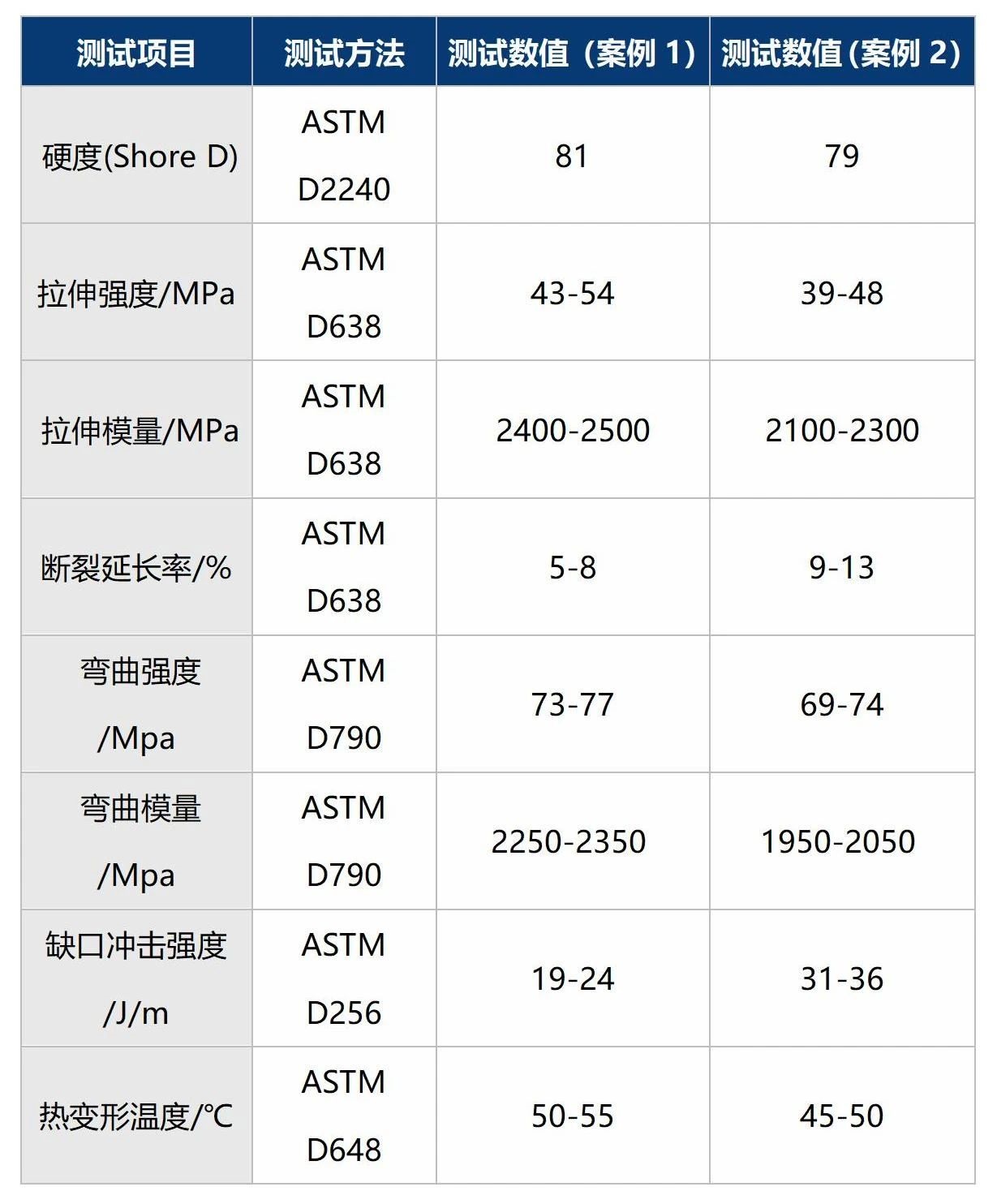
Despite these advantages, cycloaliphatic epoxy resins face practical challenges. As a type of high-performance specialty epoxy resins, their rigid molecular structure leads to low elongation at break (<5%), making the material relatively brittle under thermal cycling or mechanical stress. In addition, their higher cost compared to conventional epoxy resins requires careful consideration in cost-sensitive applications.
Current industry solutions focus on composite modification and structural optimization. Incorporating inorganic fillers such as SiO₂ or Al₂O₃ improves thermal conductivity (1–3 W/m·K) and reduces thermal stress, enhancing encapsulation reliability. Nanocomposite approaches optimize interfacial interactions to suppress aging and extend service life. Molecular design introducing flexible segments further improves toughness while maintaining optical stability.
Looking ahead, cycloaliphatic epoxy resins are evolving into multifunctional encapsulation materials. Future developments will focus on high optical stability, low yellowing, enhanced thermal conductivity, and long-term reliability, positioning them as a core material choice for high-end LED and next-generation display technologies.