English
 日本語
日本語 한국어
한국어 français
 Deutsch
 Español
 italiano
 русский
 العربية
 ไทย
ไทย हिंदी
हिंदी

High-performance resin systems—used in electronic encapsulation, advanced composites, and functional coatings—face increasing demands for thermal stability, mechanical toughness, electrical insulation, and long-term reliability. Traditional aromatic epoxy resins, while widely used, often encounter limitations:
Yellowing and photodegradation: Aromatic structures degrade under heat and UV, reducing optical clarity and long-term performance.
High polarity: Elevated dielectric constants and losses hinder high-frequency or electronic applications.
Ionic migration risks: Residual ions may compromise insulation reliability under humid or high-temperature conditions.
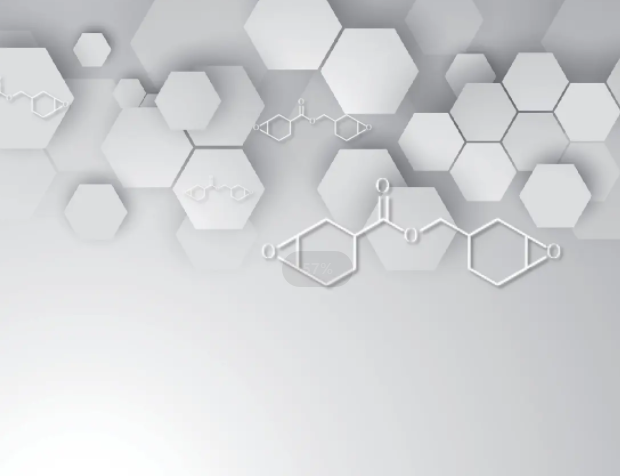
The cycloaliphatic epoxy resins address these challenges naturally. Their saturated alicyclic structure reduces polarity, prevents UV/thermal degradation, and enables dense crosslinked networks, making them the preferred choice for high-performance resin synthesis.
Cycloaliphatic epoxy resins provide multiple technical benefits and are offered by leading aliphatic epoxy suppliers:
Thermal stability: Tg ranges 150–250°C; stable under high-temperature curing and long-term operation.
Electrical performance: Low dielectric constant (2.8–3.2), low dielectric loss (0.005–0.015), volume resistivity up to 10¹⁶–10¹⁷ Ω·cm.
Chemical and photo-thermal resistance: Suppresses yellowing and performance degradation in electronic, composite, and optical resin systems.
Processing versatility: Low viscosity (100–500 mPa·s) and excellent wetting support molding, impregnation, and casting processes.
Applications include electronic encapsulants, heat-resistant composites, optical resins, and functional coatings. These specialty epoxy resins enhance thermal, mechanical, and electrical stability while maintaining long-term reliability under UV, heat, and humid conditions.
Challenges include:
Limited toughness: Rigid molecular structure can reduce elongation at break; requires modification or co-monomer design.
Higher cost: Compared to traditional aromatic epoxies, requiring cost-performance optimization.
Ongoing development focuses on:
Composite modification: Incorporating inorganic fillers (SiO₂, Al₂O₃) or nanocomposites to improve thermal conductivity, mechanical toughness, and aging resistance.
Molecular design: Introducing flexible segments or controlled crosslinking to balance toughness with optical/electrical performance.
Next-generation monomers: Developing low-ion, low-yellowing, high thermal stability cycloaliphatic epoxies.
Conclusion: Cycloaliphatic epoxy resins combine low dielectric constant, high thermal stability, excellent insulation, and photo-thermal resistance, making them a core material for next-generation high-performance resin synthesis. With ongoing innovations in modification and design, their role in advanced electronic, composite, and coating systems will continue to grow.