English
 日本語
日本語 한국어
한국어 français
 Deutsch
 Español
 italiano
 русский
 العربية
 ไทย
ไทย हिंदी
हिंदी
With the continuous evolution of power equipment toward higher voltage levels and the rapid advancement of electronic materials into high-frequency and high-speed applications, the performance requirements for insulation materials are becoming increasingly stringent. Conventional bisphenol A-based epoxy resins, characterized by relatively high dielectric constants (3.5–4.0 @1 MHz), higher dielectric loss (tanδ ≥ 0.02), and limited weather resistance, are gradually facing limitations in advanced applications. As a leading aliphatic epoxy supplier, Tetrawill provides solutions that meet these demanding requirements.
In contrast, cycloaliphatic epoxy resins exhibit significantly improved electrical performance due to their unique molecular structure, where epoxy groups are directly attached to saturated alicyclic rings, resulting in lower molecular polarity.
Typical dielectric constants of cycloaliphatic epoxy resins range from 2.8 to 3.2, with dielectric loss as low as 0.005–0.015, maintaining stability even under high-frequency conditions. In addition, these materials demonstrate high volume resistivity (10¹⁶–10¹⁷ Ω·cm) and dielectric breakdown strength (18–25 kV/mm), ensuring reliable insulation performance under high electric field conditions. From a microstructural perspective, the highly crosslinked network formed after curing effectively restricts charge carrier mobility and reduces the likelihood of conductive path formation. Furthermore, the alicyclic structure provides superior resistance to UV-induced degradation, resulting in excellent anti-yellowing performance, which is critical for long-term insulation applications.
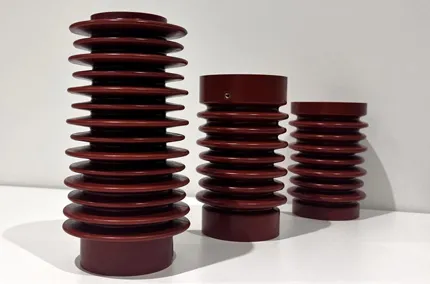
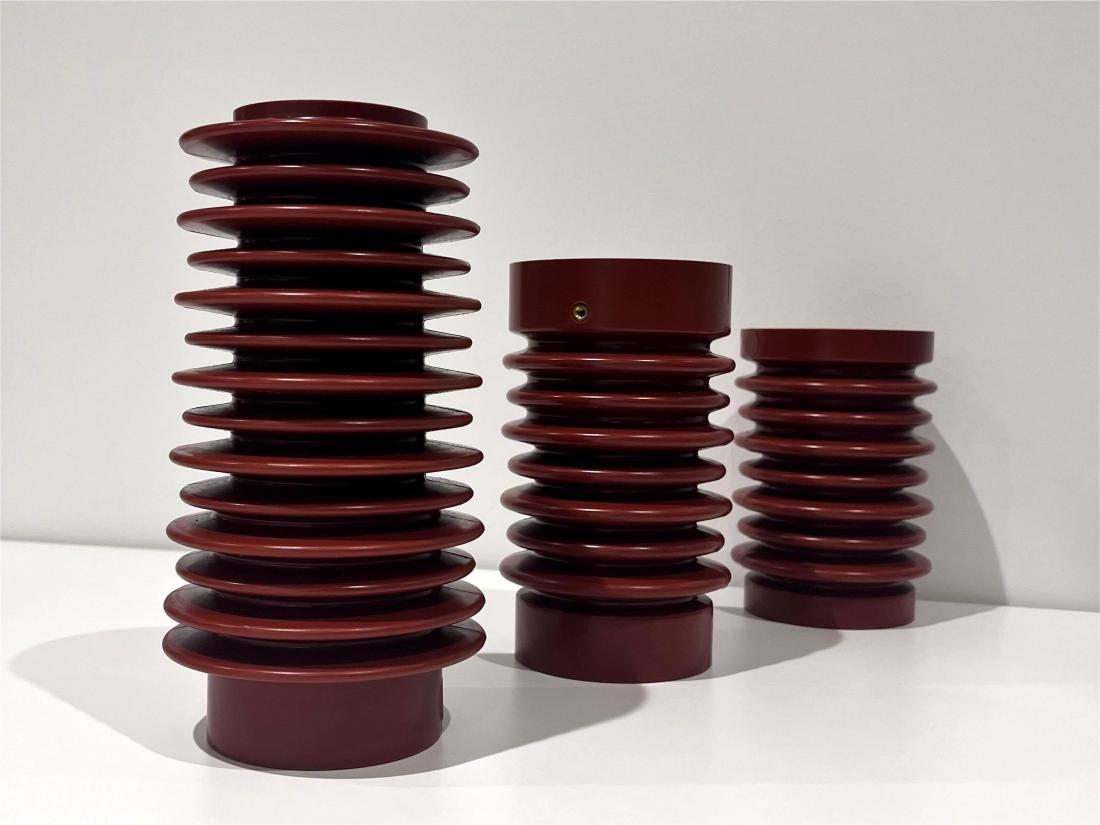
In high-voltage electrical equipment, cycloaliphatic epoxy resins are widely used in key components such as gas-insulated switchgear (GIS), transformer insulation parts, and high-voltage bushings. These applications typically require high dielectric breakdown strength (≥20 kV/mm), high volume resistivity (≥10¹⁶ Ω·cm), and long-term thermal stability (over 5,000 hours). Due to their low ionic impurity levels (Cl⁻ typically ≤100 ppm) and dense network structure, cycloaliphatic systems effectively reduce the risk of partial discharge, thereby enhancing operational reliability.
In electronic packaging and optoelectronic applications, these materials offer a combination of electrical insulation and optical performance. For example, in LED and Mini-LED encapsulation, cycloaliphatic epoxy resins can achieve light transmittance above 90%, while maintaining a low yellowing index (ΔYI typically <5) under prolonged UV exposure. Additionally, their low ionic content (Na⁺/Cl⁻ <10 ppm) helps suppress electrochemical migration, significantly improving the reliability of high-density electronic devices.
In high-frequency communication materials, cycloaliphatic epoxy resins demonstrate strong potential due to their low dielectric constant and low loss characteristics. At frequencies around 10 GHz, dielectric loss can remain below 0.01, effectively supporting signal integrity requirements for 5G and beyond.
Despite their significant advantages in electrical insulation, cycloaliphatic epoxy resins still face certain challenges in practical applications. Due to their rigid molecular structure, these materials typically exhibit low elongation at break (generally below 5%), leading to inherent brittleness that requires modification through toughening strategies. In addition, their cost is typically 1.5 to 3 times higher than that of conventional epoxy systems, which may limit large-scale adoption.
Current development efforts are mainly focused on composite modification and structural optimization. The incorporation of inorganic fillers such as silica (SiO₂) and alumina (Al₂O₃) can significantly enhance thermal conductivity (typically reaching 1–3 W/m·K) while improving electric field distribution, leading to an increase in dielectric breakdown strength by approximately 10–30%. Nanocomposite technologies further optimize interfacial interactions, effectively suppressing space charge accumulation and extending insulation lifetime. Moreover, molecular design approaches that introduce flexible segments enable improved toughness while maintaining low dielectric properties.
Overall, cycloaliphatic epoxy resins are evolving from single high-performance materials into multifunctional insulation systems. Future developments will focus on low dielectric loss for high-frequency applications, electro-thermal management, and long-term reliability enhancement. These materials are expected to play an increasingly critical role in advanced electrical insulation systems for both high-voltage equipment and next-generation electronic devices.