English
 日本語
日本語 한국어
한국어 français
 Deutsch
 Español
 italiano
 русский
 العربية
 ไทย
ไทย हिंदी
हिंदी
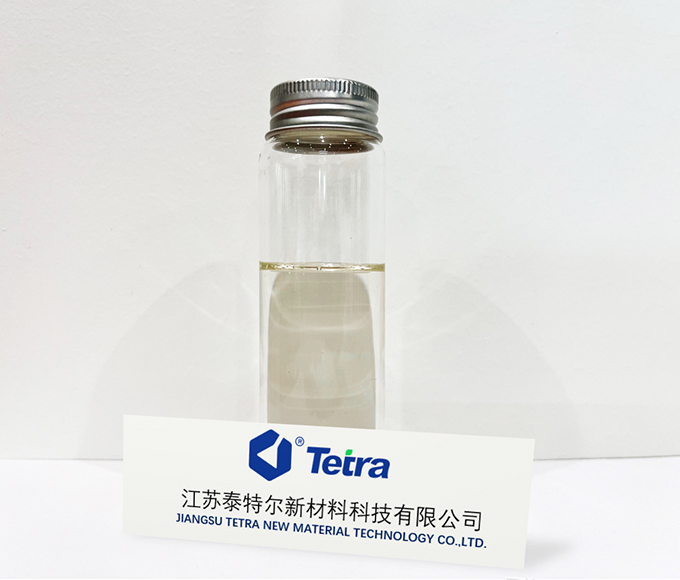
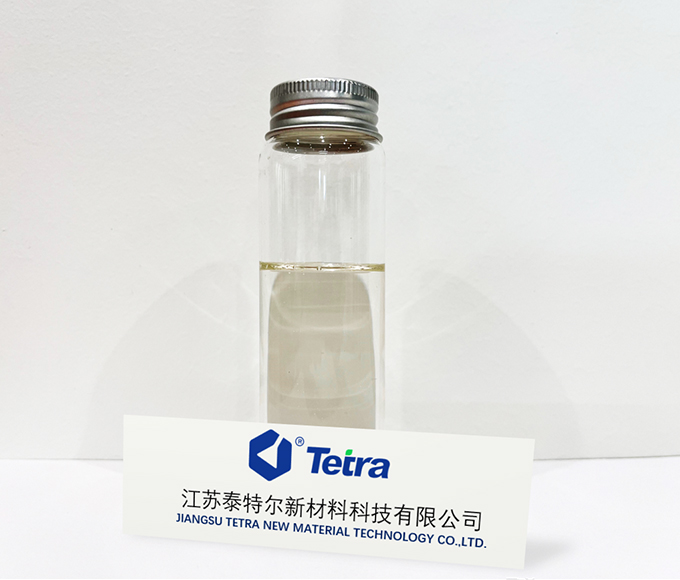
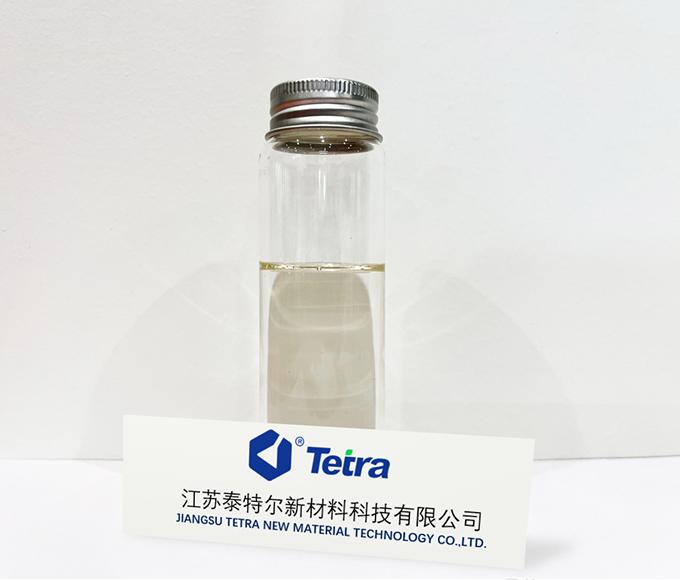
TTA21 and TTA800 are both cycloaliphatic epoxy resins designed for high-performance industrial applications, but they are optimized for different engineering priorities. TTA21 is a widely used general-purpose resin known for its balanced performance, while TTA800 is a newer, high-performance system designed for lower viscosity, higher thermal stability, and improved processing flexibility.
.png "Tetra TTA800 (Cas 37777-16-5).png")
Both materials are part of the broader cycloaliphatic epoxy technology platform used in coatings, electrical insulation, and advanced composites. In practice, engineers select between them based on viscosity requirements, thermal resistance targets, and curing system compatibility.
As electronics, automotive systems, and renewable energy equipment become more compact and thermally demanding, resin selection has become a critical design step rather than a material afterthought.
In industrial formulation work, suppliers such as cycloaliphatic epoxy resin manufacturers play an important role in optimizing resin performance for different application environments, including insulation, encapsulation, and structural adhesives.
Understanding how TTA21 and TTA800 differ helps engineers reduce failure risk and improve long-term system reliability.
Before diving into technical details, here is a simplified comparison:
Viscosity: TTA800 is significantly lower
Thermal resistance: TTA800 achieves higher Tg values
Processing: TTA800 is better for high-filler or low-flow systems
Cost efficiency: TTA21 is more economical for general use
Application focus: TTA21 = general-purpose, TTA800 = high-performance systems
The performance difference between these two resins is rooted in molecular design.
TTA21 contains an ester-linked cycloaliphatic structure, which provides good balance between mechanical strength, adhesion, and processability. It is widely used in coatings, adhesives, and electrical casting systems.
TTA800, on the other hand, uses a non-ester molecular linkage. This structural change improves hydrolysis resistance and reduces potential degradation pathways in humid or high-temperature environments.
This difference also explains why TTA800 typically shows lower viscosity and higher thermal stability compared to TTA21.
From a chemical perspective, both systems are derived from cycloaliphatic epoxy chemistry, commonly referred to as cycloaliphatic epoxide, which is valued for its UV resistance, low dielectric loss, and stable crosslinking behavior.
The following table summarizes key technical properties based on published Tetra technical data and standardized test methods referenced by ASTM International and UL Solutions.
| Property | TTA21 | TTA800 | Test Method |
| Viscosity (25°C) | 180–450 mPa·s | 50–70 mPa·s | ASTM D445 |
| Epoxy Equivalent Weight | 126–145 g/eq | 100–110 g/eq | Titration |
| Glass Transition Temperature (Tg) | ~200°C+ | 246–275°C | DSC |
| Dielectric Strength | ~18–20 kV/mm | >20 kV/mm | ASTM D149 |
| Volume Resistivity | 10¹⁶ Ω·cm | 10¹⁶–10¹⁷ Ω·cm | ASTM D257 |
| Cure Shrinkage | Low | Very low (<1%) | Volumetric |
These differences directly influence processing behavior and final application performance.
TTA21 is widely used due to its stable processing window and compatibility with conventional anhydride curing systems. It is suitable for general coatings, electrical insulation, and LED encapsulation.
TTA800 offers additional flexibility in advanced curing systems:
Higher thermal cationic activity
Faster reaction kinetics in UV and thermal curing
Better performance in low-temperature or high-filler formulations
In many industrial formulations, engineers adjust resin systems based on processing constraints rather than material performance alone.
General-purpose coatings and adhesives
LED encapsulation and optical components
Cost-sensitive industrial applications
Standard electrical insulation systems
High-temperature environments (>250°C Tg requirement)
High-filler systems (thermal interface materials)
UV-cationic curing applications
High-performance electrical insulation systems
In advanced material development, suppliers such as cycloaliphatic epoxy resin manufacturers often recommend TTA800 when system performance must exceed conventional epoxy limits.
TTA21 remains widely used due to its balanced dielectric properties and processability in epoxy electrical insulation systems, while TTA800 is preferred in high-voltage or high-temperature insulation systems.
TTA800 enables faster curing and higher conversion efficiency, making it suitable for UV coatings and advanced printing systems.
Due to its low viscosity, TTA800 supports higher filler loading, improving thermal conductivity and flame resistance in advanced epoxy composite systems.
In some applications, both resins are blended to balance cost, viscosity, and thermal performance.
The demand for cycloaliphatic epoxy systems continues to grow, driven by:
Electrification of transportation systems
Expansion of renewable energy infrastructure
Increasing power density in electronic devices
Shift toward UV-curable and low-VOC systems
Within this trend, cycloaliphatic epoxy chemistry—including cycloaliphatic epoxide systems—plays a central role in enabling next-generation material performance.
According to industry research compiled from multiple market reports, global demand for advanced epoxy systems continues to grow steadily due to their use in high-reliability applications.
A simplified decision framework:
If cost and general performance matter → TTA21
If high temperature resistance is required → TTA800
If low viscosity or high filler loading is needed → TTA800
If standard industrial use is sufficient → TTA21
Material selection should always consider system-level performance, including curing conditions, environmental exposure, and mechanical requirements.
TTA21 and TTA800 represent two optimized cycloaliphatic epoxy systems designed for different performance needs. TTA21 offers reliable, cost-effective performance for general applications, while TTA800 delivers enhanced thermal stability, lower viscosity, and improved processing flexibility. The choice between them depends on application requirements such as temperature resistance, viscosity constraints, and curing conditions. Understanding these differences helps engineers design more reliable and efficient material systems for modern industrial applications.
Yes. They are often blended to balance viscosity, cost, and thermal performance in customized formulations.
TTA800 provides higher thermal resistance, with Tg values up to 275°C depending on curing conditions.
Its non-ester molecular structure and lower molecular weight improve flow characteristics.
Yes. Both systems offer excellent dielectric properties and are widely used in insulation applications.
They are used in electronics, automotive systems, renewable energy, coatings, and composite materials.
.jpg "Diglycidyl 1,2-Cyclohexanedicarboxylate: High-Performance Epoxy Resin for Electronics & Outdoor Applications")