English
 日本語
日本語 한국어
한국어 français
 Deutsch
 Español
 italiano
 русский
 العربية
 ไทย
ไทย हिंदी
हिंदी
In electrical systems, insulation materials are not only essential for basic electrical isolation, but also play a critical role in determining equipment safety, operational stability, and service life. As power systems evolve toward higher voltage levels, compact designs, and increased reliability, traditional insulation materials face growing challenges in thermal resistance, aging performance, and long-term stability.
Cycloaliphatic epoxy resins, with their stable electrical properties and strong environmental resistance, are increasingly used in a variety of electrical insulation systems, including casting compounds, impregnating varnishes, and potting insulation materials.
In real operating environments, insulation materials must withstand multiple stresses:
Long-term electrical field stress, leading to dielectric degradation
Thermal aging, affecting material structure and performance
Moisture and humidity exposure, reducing insulation reliability
Mechanical vibration and stress, causing cracking or failure
Therefore, insulation materials must achieve a balance of electrical performance, thermal stability, and structural integrity.
Electrical casting compounds are widely used in transformers, instrument transformers, and high-voltage equipment for insulation and structural support.
Cycloaliphatic epoxy resins provide stable electrical properties:
High volume resistivity
Low dielectric constant and dielectric loss
Strong dielectric breakdown resistance
These properties ensure reliable performance under high-voltage conditions in epoxy electrical insulation applications.
During long-term operation, electrical equipment is exposed to continuous temperature rise:
Good thermal stability
Strong resistance to thermal aging
Contribution to extended equipment lifespan
Suitable for medium- and high-voltage insulation systems.
Cycloaliphatic epoxy systems offer advantages during casting processes:
Good flowability for mold filling
Low curing shrinkage
High dimensional stability after curing
These features improve product consistency and reliability.
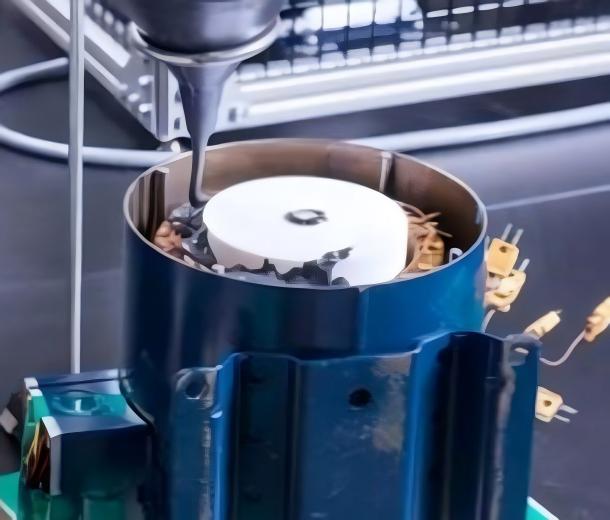
Impregnating varnishes are used for insulating and reinforcing motor windings and electrical coils.
Due to their low viscosity, cycloaliphatic epoxy resins can effectively penetrate winding structures:
Deep impregnation of coils
Improved insulation integrity
Reduced voids and partial discharge risk
After curing, the material forms a stable network:
Improved dielectric strength
Increased mechanical integrity of windings
Reduced damage caused by vibration
In demanding operating conditions:
Good resistance to moisture and heat
Enhanced chemical resistance
Extended motor service life
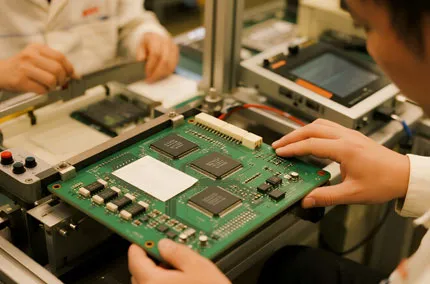
Potting materials are used to encapsulate and protect electrical and electronic components.
Cycloaliphatic epoxy resins provide reliable insulation:
Protection against moisture, dust, and contaminants
Stable electrical performance over time
Improved system reliability
Their low viscosity and formulation flexibility support potting processes:
Suitable for complex geometries
Reduced air entrapment
Improved encapsulation quality
After curing, the material provides mechanical strength and structural stability characteristic of epoxy composite materials:
Structural reinforcement and fixation
Improved vibration resistance
Reduced impact-related damage
In addition to the above, cycloaliphatic epoxy resins are also used in:
Insulating components for high-voltage switchgear
Cable accessories and insulation systems
Electrical protective coatings
Specialized insulation structures
Formulations can be tailored to meet specific performance requirements.
As electrical systems continue to advance, insulation materials are evolving toward:
Higher thermal classes for high-power equipment
Lower dielectric loss for improved energy efficiency
Low-stress systems to reduce cracking risks
Compatibility with automated manufacturing processes
Their applications are expanding in renewable energy, power electronics, and smart grid technologies.
In electrical insulation systems, material performance is shifting from basic insulation to comprehensive reliability. Cycloaliphatic epoxy resins, with their advantages in electrical properties, environmental resistance, and processability, play an increasingly important role in modern insulation materials.
As performance requirements continue to rise, their value in casting compounds, impregnating varnishes, and potting systems will continue to grow.