English
 日本語
日本語 한국어
한국어 français
 Deutsch
 Español
 italiano
 русский
 العربية
 ไทย
ไทย हिंदी
हिंदी
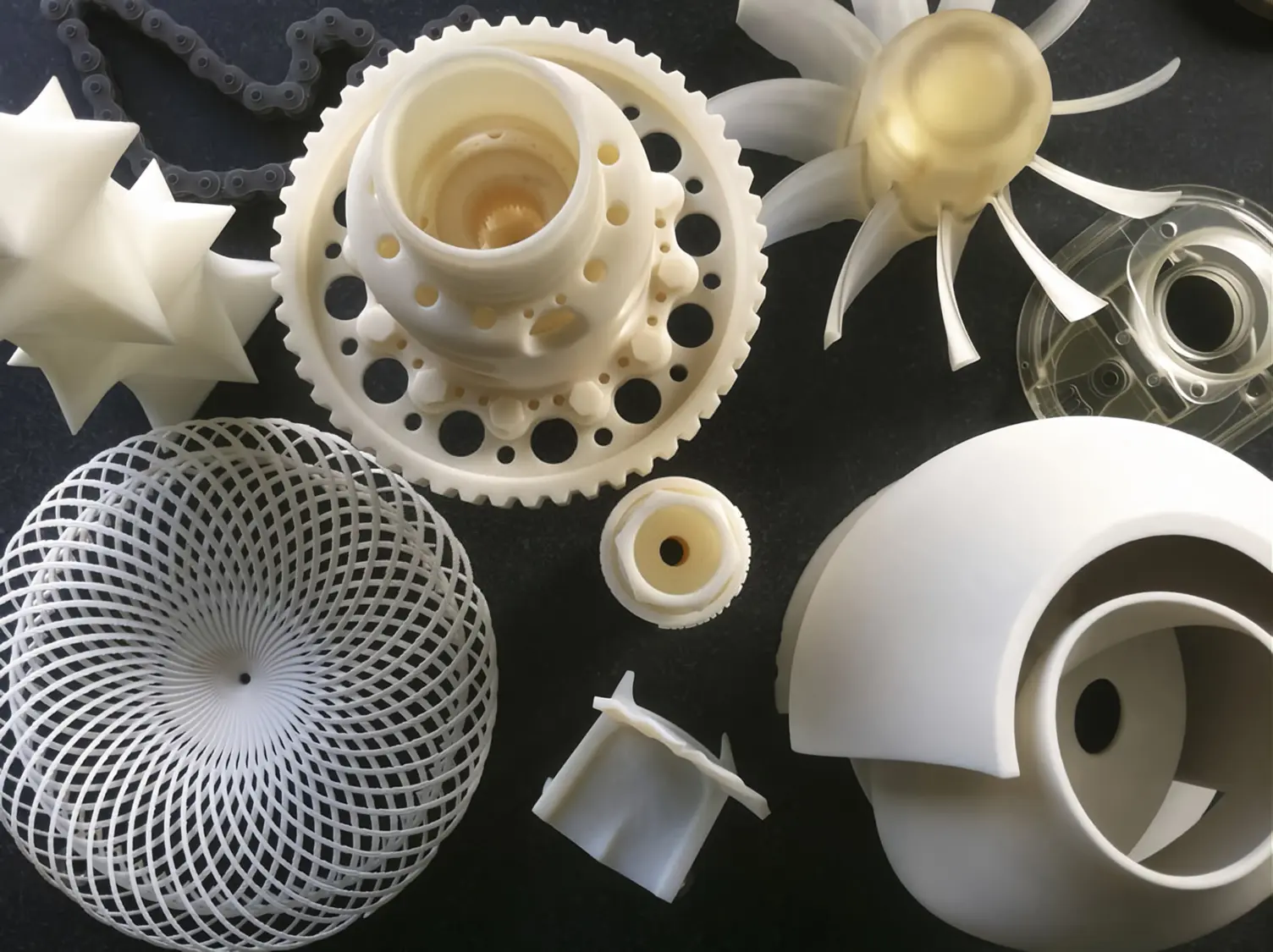 Application of Epoxy Resin in 3D Printing
The rapid prototyping process of UV Laser Curing is now referred to as Stereolithography 3D printing process (abbreviated as SLA). Patented in the United States by Charles Hull in 1984, it is one of the earliest developed 3D printing technologies. Since 3D Systems of America first launched commercialized SLA in 1988, this 3D printing technology has been developing rapidly, which can automatically print out complex 3D objects that are difficult to be made by various other processing methods, representing an epoch-making significance in the field of processing technology. SLA utilizes computer-controlled UV laser to scan point by point on the photosensitive resin liquid level according to the shape of the two-dimensional cross-section and thus to cure the resin. Then the cured resin forms a two-dimensional shape. This process is repeated layer by layer to finally obtain a complete 3D object, with its quality mainly depending on the properties of the photosensitive resin.
More+
Application of Epoxy Resin in 3D Printing
The rapid prototyping process of UV Laser Curing is now referred to as Stereolithography 3D printing process (abbreviated as SLA). Patented in the United States by Charles Hull in 1984, it is one of the earliest developed 3D printing technologies. Since 3D Systems of America first launched commercialized SLA in 1988, this 3D printing technology has been developing rapidly, which can automatically print out complex 3D objects that are difficult to be made by various other processing methods, representing an epoch-making significance in the field of processing technology. SLA utilizes computer-controlled UV laser to scan point by point on the photosensitive resin liquid level according to the shape of the two-dimensional cross-section and thus to cure the resin. Then the cured resin forms a two-dimensional shape. This process is repeated layer by layer to finally obtain a complete 3D object, with its quality mainly depending on the properties of the photosensitive resin.
More+
 Story of Cycloaliphatic Epoxy Resin Project for Arf Photoresist of Tetra New Materials
Eight-year Efforts with Great Success, High-end Materials for Dream PursueThere is a (methyl) acrylic-type cycloaliphatic epoxy monomer with annual sales of less than 200t, but it has been listed in t...
More+
Story of Cycloaliphatic Epoxy Resin Project for Arf Photoresist of Tetra New Materials
Eight-year Efforts with Great Success, High-end Materials for Dream PursueThere is a (methyl) acrylic-type cycloaliphatic epoxy monomer with annual sales of less than 200t, but it has been listed in t...
More+
 Features of Cycloaliphatic Epoxy in LED Packaging Materials
Thermosetting epoxy resin, featuring good mechanical properties, low curing volume shrinkage, excellent adhesion force to substrates, and strong controllability of its operating processes, is one of the major packaging options for LEDs at present.Among them,cycloaliphatic epoxy resins, especially 3,4-epoxycyclohexyl-3,4-epoxycyclohexyl ester (TTA21), are preferably and widely applied in LED and optical device encapsulants for their excellent processability, high Tg point and good weather resistance.
More+
Features of Cycloaliphatic Epoxy in LED Packaging Materials
Thermosetting epoxy resin, featuring good mechanical properties, low curing volume shrinkage, excellent adhesion force to substrates, and strong controllability of its operating processes, is one of the major packaging options for LEDs at present.Among them,cycloaliphatic epoxy resins, especially 3,4-epoxycyclohexyl-3,4-epoxycyclohexyl ester (TTA21), are preferably and widely applied in LED and optical device encapsulants for their excellent processability, high Tg point and good weather resistance.
More+
 Introduction of Cycloaliphatic Epoxy Resins
Cycloaliphatic epoxy resins usually refer to a class of epoxy resins with a ring-like carbon chain structure in the molecular. In industry, cycloaliphatic olefin compounds containing two double bonds ...
More+
Introduction of Cycloaliphatic Epoxy Resins
Cycloaliphatic epoxy resins usually refer to a class of epoxy resins with a ring-like carbon chain structure in the molecular. In industry, cycloaliphatic olefin compounds containing two double bonds ...
More+
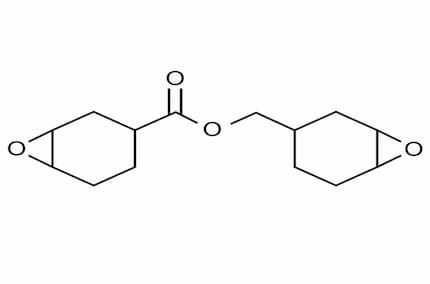 Thermal Curing Application of Cycloaliphatic Epoxy Resin
There are many kinds of epoxy curing agents in common use and various curing ways (thermal curing, microwave curing, UV curing, etc.), but most of the epoxy resins suitable for UV curing may not be su...
More+
Thermal Curing Application of Cycloaliphatic Epoxy Resin
There are many kinds of epoxy curing agents in common use and various curing ways (thermal curing, microwave curing, UV curing, etc.), but most of the epoxy resins suitable for UV curing may not be su...
More+
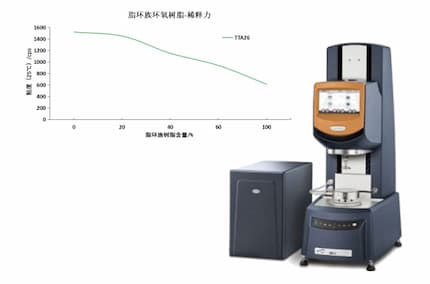 Performance Characteristics and Comparison of Cycloaliphatic Epoxy Resins in LED Packaging Materials
LED (Light Emitting Diode) devices have the advantages of high efficiency, low power consumption and high durability, and are widely used in applications such as large-size displays, traffic signals a...
More+
Performance Characteristics and Comparison of Cycloaliphatic Epoxy Resins in LED Packaging Materials
LED (Light Emitting Diode) devices have the advantages of high efficiency, low power consumption and high durability, and are widely used in applications such as large-size displays, traffic signals a...
More+
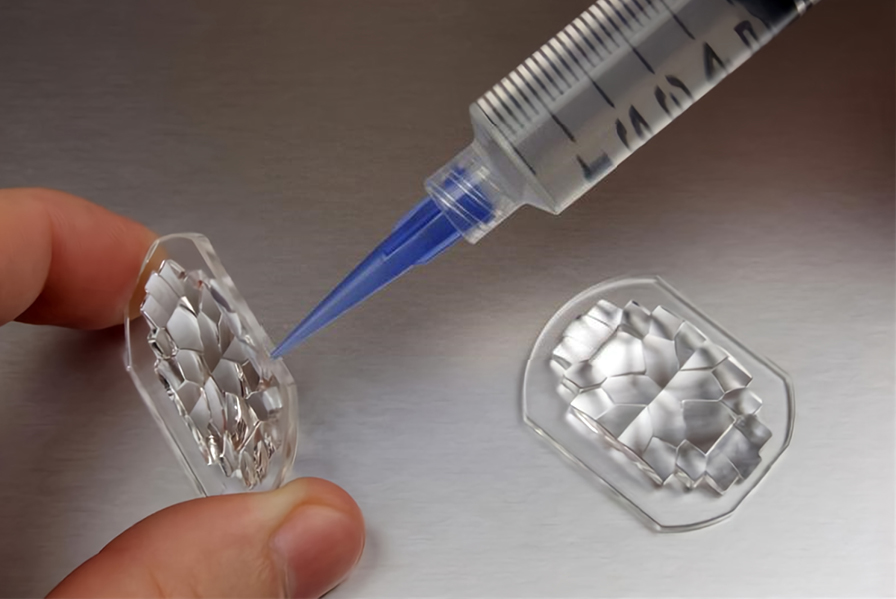 Introduction to Performance Characteristics of Cycloaliphatic Epoxy System
The epoxy-anhydride curing system has the characteristics of low viscosity, low shrinkage, low toxicity, and low heat release, and is widely used in various fields. Jiangsu Tetra New Material Technolo...
More+
Introduction to Performance Characteristics of Cycloaliphatic Epoxy System
The epoxy-anhydride curing system has the characteristics of low viscosity, low shrinkage, low toxicity, and low heat release, and is widely used in various fields. Jiangsu Tetra New Material Technolo...
More+
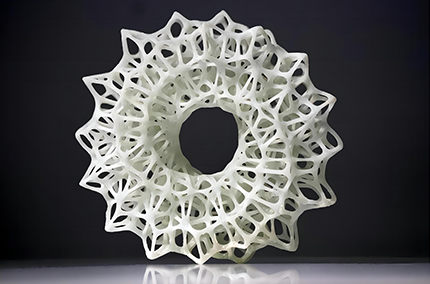 Introduction to High-Activity Resins of Cycloaliphatic Epoxy Resin Cured by Thermal Cationic Polymerization
The hot ion curing process has the characteristics of low temperature and rapid curing, which is suitable for the adhesive formula of electronic or small components. In addition to TTA21, several othe...
More+
Introduction to High-Activity Resins of Cycloaliphatic Epoxy Resin Cured by Thermal Cationic Polymerization
The hot ion curing process has the characteristics of low temperature and rapid curing, which is suitable for the adhesive formula of electronic or small components. In addition to TTA21, several othe...
More+